AI Predictions for ETH vs BTC in 2026: Live Tracking, Accuracy Limits, and Execution Framework
Compare 4 AI predictions for ETH vs BTC in 2026 and learn how to track live prices, validate signals, and apply transparent trading insights.

AI-driven forecasts for crypto assets like Bitcoin and Ethereum are now widely used, with multiple models producing overlapping but not identical price ranges. The key issue is not the prediction itself, but how traders compare it against live market data and adjust positioning accordingly.
In 2026, traders are increasingly combining AI outputs with real-time price tracking to measure divergence. This approach turns static forecasts into a dynamic system where accuracy is evaluated continuously rather than assumed.
In This Guide
Step-by-Step Guide
Define the Comparison Framework
Start by setting a clear comparison: ETH vs BTC across multiple AI models with a fixed time horizon such as Q3 2026. This ensures all predictions are aligned temporally and can be evaluated against the same price window.
The goal is to compare forecast ranges, not exact targets. For example, if one model predicts ETH between $3,000–$18,000 while BTC ranges from $85,000–$180,000, the analysis focuses on relative upside rather than absolute values.
Aggregate Multiple AI Model Outputs
Collect predictions from at least 3–4 AI models and list their ranges side by side. Each model may use different inputs such as macro trends, ETF flows, or historical volatility patterns, which leads to variation in outputs.
When aggregated, these ranges create a probability band rather than a single forecast. Overlaps between models indicate higher confidence zones, while wide divergence signals uncertainty. This aggregation improves decision quality by focusing on consensus rather than outliers.
Compare Predictions Against Live Market Data
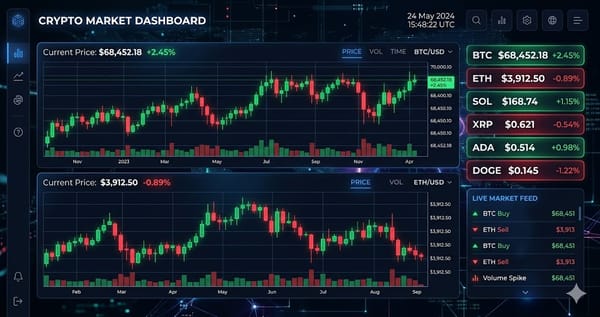
Overlay the AI prediction ranges with real-time price data for BTC and ETH. Track whether current prices are trending toward the lower, mid, or upper bounds of each forecast range.
For example, if BTC trades near $75,000 while models project $85,000–$180,000, the market is positioned closer to the lower bound. This helps identify whether the market is underpricing or overpricing future expectations relative to AI models.
Measure Accuracy Over Time
Track how often AI predictions align with actual price movement over multiple weeks. Most models achieve 55–65% directional accuracy in stable conditions, with performance degrading during volatility spikes or low-liquidity conditions.
Compare outcomes across BTC and ETH specifically, since these assets tend to have cleaner data and deeper liquidity. This tracking creates a feedback loop that improves how you interpret future predictions.
Execute Based on Confluence, Not Prediction Alone
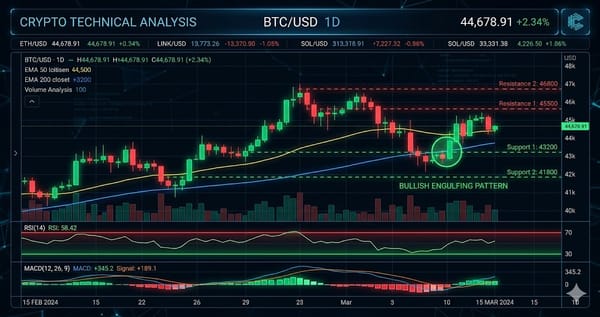
Use AI predictions as one input in a broader decision framework. Combine them with technical indicators like moving averages, RSI, and volume to confirm trade setups.
Position sizing should remain controlled, typically risking 1–2% per trade. If AI signals align with price action and technical structure, confidence increases. If they diverge, reduce exposure or wait for confirmation.
Tips and Best Practices
- Always test with small amounts before committing significant funds.
- Bookmark the official websites of tools mentioned in this guide to avoid phishing.
- Keep detailed records of your transactions for tax reporting purposes.
Ready to start trading?
Trade on Bitget Try CoinTech2uAffiliate links — we may earn a commission at no extra cost to you.
Frequently Asked Questions
How accurate are AI crypto predictions in 2026?
Most models achieve 55–65% directional accuracy in stable conditions, with performance dropping during high volatility or low-liquidity periods.
Should I follow one AI model or multiple?
Use multiple models to identify consensus ranges. Overlapping predictions provide stronger signals than relying on a single output.
What is the best way to use AI predictions in trading?
Combine AI forecasts with technical indicators and strict risk management, using predictions as one input rather than a standalone decision.
Related Articles
- How to Turn Crypto Headlines into Viral Shorts Using AI (2026 Step-by-Step Guide)
- The Crypto Complexity Crisis: A 2026 Guide to Onboarding Without the Headache
- Using a Phone Mining App? Here’s How to Actually Get Your Crypto Out