How to Build a Crypto Portfolio from Scratch: 2026 Blueprint
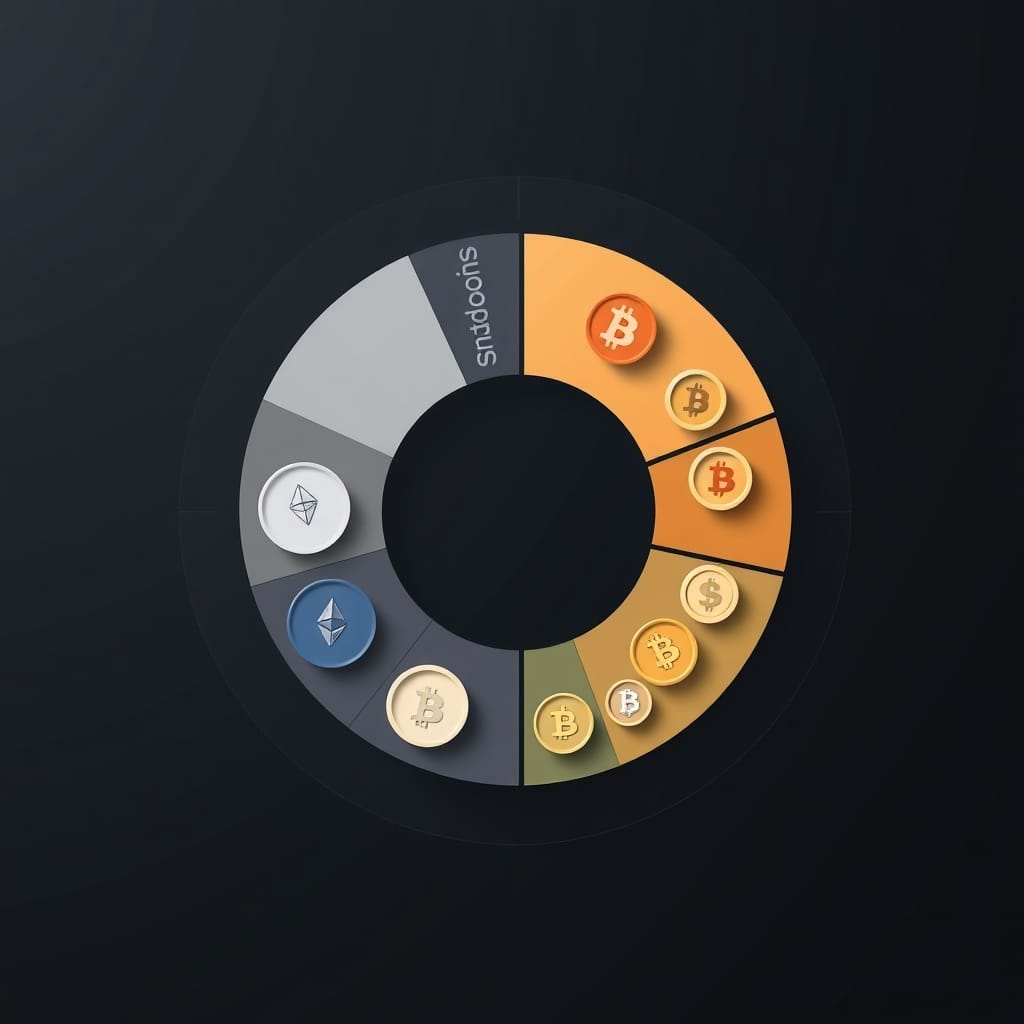
How to Build a Crypto Portfolio from Scratch: 2026 Blueprint
A practical framework for constructing a well-balanced crypto portfolio in the current market
Building a crypto portfolio in 2026 is fundamentally different from the wild west of 2017 or the DeFi summer of 2020. The market has matured significantly with established blue-chip assets, institutional-grade investment products like Bitcoin ETFs, clear sector narratives, and better tools for analysis and risk management. But this maturity also means that the easy gains of buying any random token and watching it moon are largely over. Success now requires a thoughtful approach to portfolio construction.
This blueprint walks you through building a crypto portfolio from zero, covering how much to allocate to crypto relative to your overall finances, how to structure your holdings across different risk tiers and sectors, which assets deserve core positions versus satellite allocations, and how to manage and rebalance your portfolio over time. Whether you are investing 1,000 dollars or 100,000 dollars, the framework is the same, only the position sizes change.
Recommended Crypto Allocation5-20% of total investment portfolioMinimum Recommended Diversification5-8 different assets across 3+ sectorsCore Holdings Allocation50-70% in Bitcoin and EthereumRebalancing FrequencyMonthly or when any position drifts 5%+ from target
Determine Your Total Crypto Allocation
Before choosing specific tokens, decide how much of your total investment capital should go into crypto. This depends on your age, risk tolerance, financial obligations, and time horizon. A common guideline is allocating 5% to 20% of your investable assets to crypto, with younger investors and those with higher risk tolerance leaning toward the upper end. The key principle is to never invest more than you can afford to lose entirely, because despite its growing maturity, crypto remains a high-risk asset class.
Fund your crypto allocation using money that you will not need for at least three to five years. Crypto market cycles typically last four years from peak to peak, and investing with a shorter time horizon means you may be forced to sell during a downturn. Set up a regular monthly investment amount that you can sustain regardless of market conditions, which allows you to dollar-cost average into positions over time rather than trying to time the market with a lump sum.
The Core-Satellite Portfolio Model
The most effective portfolio structure for crypto is the core-satellite model. Your core holdings represent 50% to 70% of the portfolio and consist of the highest-conviction, lowest-risk crypto assets, which in 2026 means primarily Bitcoin and Ethereum. These are the assets you plan to hold through entire market cycles, including bear markets, because they have the strongest track records of recovery and long-term appreciation.
Satellite holdings make up the remaining 30% to 50% and include mid-cap altcoins, sector-specific bets, and small speculative positions. These satellite positions are where you express your views on specific narratives like AI, DeFi, or real-world asset tokenization. Each satellite position should be smaller than your core positions, typically 3% to 8% of the total portfolio. This structure ensures that even if several satellite bets fail completely, your core holdings provide stability and long-term growth.
Choosing Your Core Holdings
Bitcoin should be the largest single position in most crypto portfolios, typically 30% to 40% of total allocation. It has the longest track record, the most liquidity, the strongest institutional backing through ETFs, and serves as the market benchmark and safe haven within the crypto ecosystem. In every bear market, Bitcoin has recovered to new all-time highs, a track record that no altcoin can match. For investors who want the simplest possible crypto portfolio, a Bitcoin-only approach is a legitimate and well-supported strategy.
Ethereum warrants a core position of 15% to 25% for most portfolios. It is the foundation of the DeFi ecosystem, the leading platform for smart contracts, and benefits from staking yield that provides ongoing income. The Ethereum ecosystem generates more revenue, hosts more developers, and supports more real-world applications than any other smart contract platform. For investors seeking additional core exposure beyond BTC and ETH, Solana has earned consideration as a third core holding in 2026 given its rapid ecosystem growth, low transaction costs, and increasing institutional interest.
Building Your Satellite Positions
Satellite positions should be diversified across different crypto sectors to avoid over-concentration in a single narrative. Consider allocating 5% to 10% to DeFi blue chips like Aave and Uniswap that generate real revenue, 5% to 10% to infrastructure and layer-2 projects that are scaling blockchain capacity, 3% to 5% to AI-focused crypto projects riding the artificial intelligence megatrend, and a small 2% to 3% allocation to higher-risk speculative positions in emerging sectors.
When selecting satellite assets, prioritize projects with demonstrable product-market fit, growing on-chain usage metrics, reasonable tokenomics with manageable insider unlock schedules, and strong development teams with verifiable track records. Avoid allocating to tokens purely based on price momentum or social media hype. Each satellite position should have a clear investment thesis that you can articulate in two or three sentences, and you should define in advance the conditions under which you would exit the position.
Dollar-Cost Averaging Into Your Portfolio
Rather than investing your entire allocation at once, build your portfolio gradually through dollar-cost averaging over three to six months. This approach reduces the risk of buying everything at a local top and smooths your average entry price across different market conditions. Set up automatic recurring purchases on your exchange for your core BTC and ETH positions, and manually add to satellite positions during pullbacks when prices reach attractive levels.
A practical DCA schedule might allocate 60% of your monthly investment to core positions, split between Bitcoin and Ethereum in your desired ratio, and hold the remaining 40% for opportunistic satellite purchases during market dips. On weeks when the market drops 10% or more, deploy some of your stablecoin reserve into your highest-conviction satellite positions. This disciplined approach ensures you are consistently building your portfolio while taking advantage of the volatility that the crypto market regularly provides.
Portfolio Rebalancing and Maintenance
As crypto prices fluctuate, your actual portfolio allocation will drift from your target weights. A position that started as 5% of your portfolio might grow to 15% after a strong rally, creating unintended concentration risk. Review your portfolio monthly and rebalance when any position has drifted more than 5 percentage points from its target allocation. Rebalancing means selling some of the winners to bring them back to target weight and redistributing into underweight positions or stablecoins.
Rebalancing serves a dual purpose. It maintains your desired risk profile by preventing any single position from dominating your portfolio, and it systematically takes profits from outperformers and reinvests in undervalued assets. Over multi-year periods, rebalanced crypto portfolios have historically outperformed buy-and-hold approaches because they force the disciplined behavior of selling high and buying low that most investors struggle to execute on their own.
Common Mistakes to Avoid
The most common mistake new crypto investors make is over-diversification, spreading capital across 20 or 30 different tokens in the belief that more is safer. In practice, holding dozens of small positions makes it impossible to research each one adequately, increases your transaction costs, and dilutes the impact of your best picks. A portfolio of 8 to 12 carefully selected positions gives you meaningful diversification without sacrificing the concentration needed for strong returns.
Other critical mistakes include investing money you need in the short term, neglecting to secure your holdings with hardware wallets and proper backup procedures, chasing assets that have already made large moves rather than buying during consolidation or pullbacks, and failing to maintain a stablecoin reserve for opportunities and emergencies. Build your portfolio like a professional by having a written investment plan, following it consistently, and reviewing it quarterly to make deliberate adjustments based on changing market conditions and your evolving financial situation.
What to Watch
- Bitcoin and Ethereum price levels for opportunistic additional purchases during meaningful corrections of 15% or more
- New crypto ETF launches that may provide more convenient exposure vehicles for specific sectors or altcoins
- Emerging crypto sectors gaining developer activity and venture funding that may warrant future satellite positions
- Staking yield rates across major proof-of-stake assets for optimizing the income-generating portion of your portfolio
- Tax-loss harvesting opportunities during market pullbacks to offset realized gains from rebalancing events
CryptoTakeProfit Research Team
Our team of analysts and traders covers the crypto market daily. We combine on-chain data, technical analysis, and fundamental research to bring you actionable insights.
Disclaimer: This article is for informational purposes only and does not constitute financial advice. Cryptocurrency investments carry significant risk. Always do your own research and never invest more than you can afford to lose. This article may contain affiliate links.