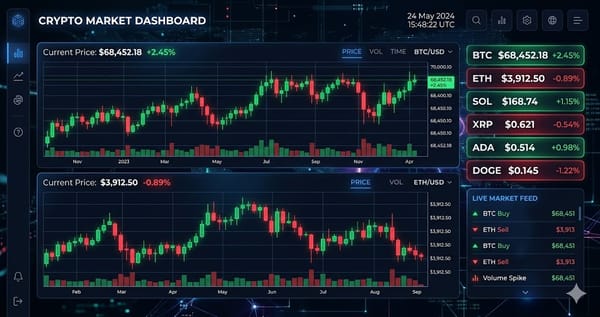
CryptoTakeProfit Cover Art Guide 2026: AI Thumbnail Automation System
Learn how to convert crypto trading data into high-CTR thumbnails using AI tools, structured prompts, and automated workflows in 2026.

Crypto content in 2026 is highly visual, and thumbnails are the primary driver of click-through rate. A strong cover image can increase engagement significantly, while a weak one gets ignored in crowded feeds. The challenge is not generating images, but creating visuals that clearly communicate trading outcomes like profit, risk, and strategy in under one second.
This guide explains how to transform raw trading insights into high-performing AI-generated cover art. It combines conceptual mapping, prompt engineering, and automation into a repeatable system. The result is a scalable workflow that turns every blog post into a consistent, high-CTR visual asset.
In This Guide
Step-by-Step Guide
Extract the Core Trading Message
Start by identifying the single most important idea in your article. This is usually a trading outcome such as profit, drawdown recovery, or strategy performance. Do not include secondary details—focus only on the primary takeaway.
Once identified, compress that idea into a short phrase. For example, “SpotBot made 47% in 30 days” becomes “consistent compounding gains.” This phrase becomes the foundation for your visual concept and ensures clarity throughout the workflow.
Map Data to a Visual Metaphor
Convert abstract trading data into a visual symbol that a general audience can understand instantly. For example, compounding gains can become a staircase, while diversification can become a constellation network.
This step is critical because charts and numbers require interpretation, while metaphors communicate instantly. The goal is to create a visual story that reflects the trading outcome without relying on literal data representations.
Build a Structured AI Prompt
Use a consistent prompt structure to guide the AI: subject, style, color palette, lighting, composition, and constraints. This ensures predictable and high-quality outputs across multiple images.
Include strict instructions such as “no text, no people, no charts” to avoid common AI artifacts. Add “--ar 16:9” to match YouTube and blog header dimensions. This structure keeps outputs aligned with your brand and prevents unnecessary noise in the image.
Generate and Select Variations
Create multiple versions of the same prompt using tools like Midjourney. Each variation should slightly adjust lighting, angle, or detail while keeping the core concept consistent.
Evaluate outputs based on clarity and contrast. The best thumbnail is the one that communicates the idea clearly at small scale. Avoid overly complex images, as they reduce readability and click-through rates.
Apply Automation and Publish at Scale
Integrate your workflow with tools like Zapier or n8n to automate image generation from article metadata. Extract titles and summaries, generate prompts automatically, and send them to AI image tools.
Store all outputs in a system like Airtable for reuse and tracking. This creates a feedback loop where you can analyze which visual styles perform best and refine your system over time.
Tips and Best Practices
- Always test with small amounts before committing significant funds.
- Bookmark the official websites of tools mentioned in this guide to avoid phishing.
- Keep detailed records of your transactions for tax reporting purposes.
Ready to start trading?
Trade on Bitget Try CoinTech2uAffiliate links — we may earn a commission at no extra cost to you.
Related Articles
- STEP 1: Choose the Right Screen Recorder
- 10 Best Crypto Tools for Gen Z in 2026: Beginner-to-Pro Guide
- Ledger vs Trezor — Detailed Comparison 2026