Macro News & Crypto Impact — March 11, 2026
Daily macro news digest: how today's global events affect Bitcoin and crypto markets. BTC at $70,378.

BTC Price$70,378 (+0.5%)Fear & Greed15 — Extreme FearTotal Market Cap$2.46TTop MoverAVAX +3.6%
Bitcoin is holding above $70,000 even as the U.S.–Iran conflict escalates into direct naval strikes and personal threats against President Donald Trump—a combination that would normally trigger a broad risk-off move. Instead, crypto markets are displaying a strange divergence: prices remain resilient while sentiment sits deep in Extreme Fear.
War Moves From Rhetoric to Hardware
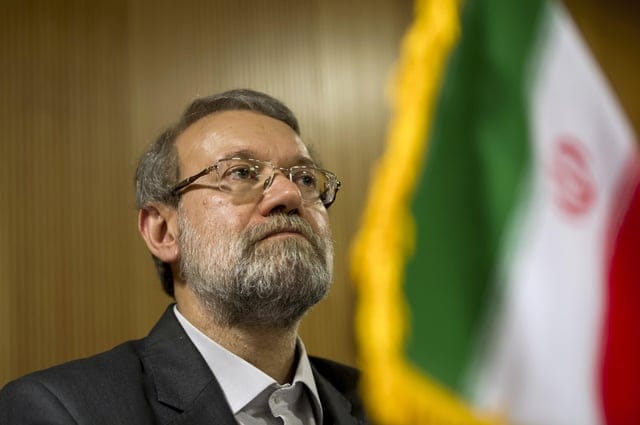
The most important shift in this conflict isn't the rhetoric—it's the hardware.
According to statements from :contentReference[oaicite:0]{index=0}, U.S. forces recently struck and destroyed multiple Iranian mine-laying vessels after warning :contentReference[oaicite:1]{index=1} about activity in the :contentReference[oaicite:2]{index=2}, one of the most critical oil chokepoints on the planet.
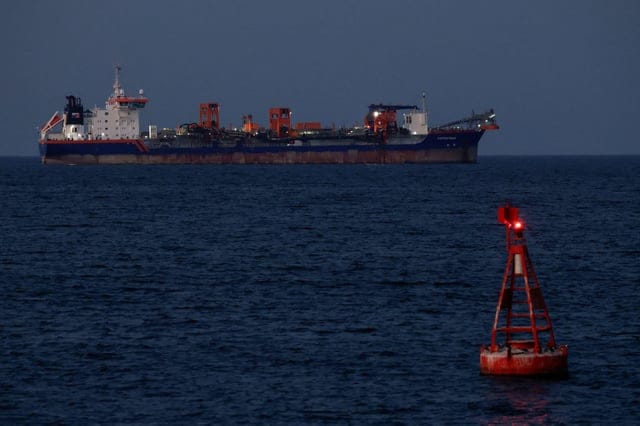
This matters because mine warfare in the Strait isn't symbolic—it's strategic. Roughly a fifth of global oil shipments pass through this narrow corridor connecting the Persian Gulf to global markets. If shipping lanes are threatened or even perceived to be threatened, energy prices move quickly.
From a macro perspective, the escalation suggests that the conflict has passed the "warning phase" and entered the "interdiction phase," where both sides begin targeting infrastructure and military logistics rather than relying purely on deterrence.
Markets typically react to that transition with volatility spikes.
Yet :contentReference[oaicite:3]{index=3} has barely flinched.
The flagship cryptocurrency sits near $70,378 while the broader crypto market cap holds around $2.46 trillion. That resilience suggests traders see geopolitical instability less as a direct crypto risk and more as a potential macro catalyst.
The Conflict Is Becoming Personal
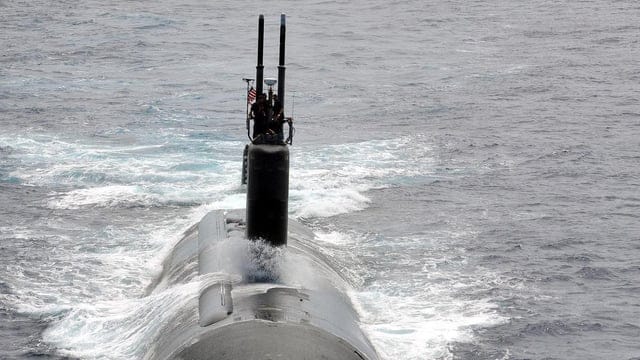
If the naval strikes represent the military escalation, the political rhetoric represents the psychological one.
Senior Iranian officials—including figures such as :contentReference[oaicite:4]{index=4}—have issued warnings aimed directly at Trump, telling him to "be careful not to get eliminated." Even framed as rhetoric, the language is unusually blunt for diplomatic signaling.
Markets pay attention when threats shift from institutions to individuals.
Historically, conflicts become harder to de-escalate once leaders begin targeting each other personally rather than negotiating through intermediaries. At that stage, backing down can carry domestic political costs.
In financial terms, this pushes the probability distribution of outcomes outward. The base case might remain a contained regional conflict—but the tail risks suddenly become much wider.
Crypto traders appear to recognize this dynamic.
The Fear & Greed Index sits at just 15, firmly in Extreme Fear territory. Yet price stability suggests investors are hedging rather than exiting positions.
This is a classic "volatility compression" setup: when sentiment collapses but prices hold, the market is often waiting for a catalyst.
Allies Are Quietly Managing the Fallout
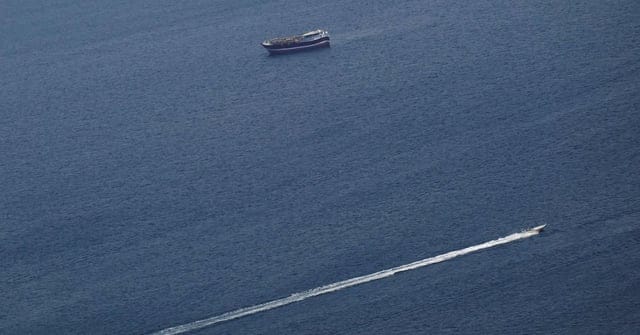
Another subtle development reveals how carefully Western governments are managing the coalition around the conflict.
Reports indicate that Australian sailors serving aboard a U.S. submarine were ordered to remain in their quarters while the vessel launched torpedoes at an Iranian warship. The move ensured that Australian personnel technically did not participate in the attack.
The decision reflects the diplomatic balancing act faced by :contentReference[oaicite:5]{index=5}, the prime minister of :contentReference[oaicite:6]{index=6}. By shielding exchange personnel from direct involvement, Washington preserved the political flexibility of an allied government that may not want to be seen as entering a formal war.
These kinds of procedural decisions rarely make headlines, but they often reveal the true strategic posture of alliances.
If partners are being shielded from direct participation, it suggests the United States is still trying to limit the scope of the war—even as tactical operations intensify.
For markets, that's a moderating signal. Limited war is expensive but manageable. Coalition war is much harder to price.
The Oil Trade Is Quietly Rewiring
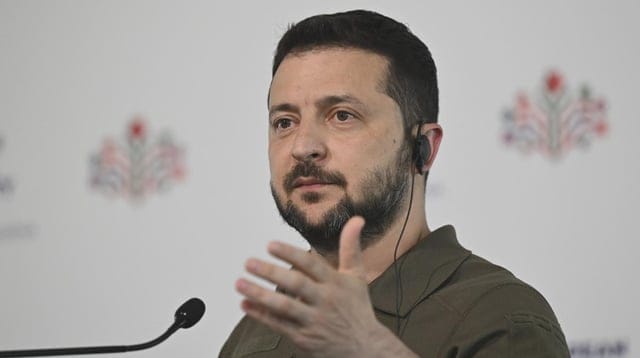
While missiles and submarines dominate headlines, the most consequential development may be happening in the oil market.
Despite tensions in the :contentReference[oaicite:7]{index=7}, Iranian crude continues flowing to :contentReference[oaicite:8]{index=8}. Tankers are still passing through the chokepoint, delivering millions of barrels even as military tensions rise.
That dynamic effectively creates a two-tier energy market.
Western economies face higher prices and greater supply uncertainty, while China maintains access to discounted Iranian oil. From Beijing's perspective, the conflict may actually strengthen its energy security position relative to Western competitors.
This imbalance matters for crypto because energy prices feed directly into global liquidity conditions. Higher oil prices act like a tax on growth, tightening financial conditions and pressuring risk assets.
But if the oil shock remains uneven—hurting Western economies more than Asian buyers—the macro effects could become geographically fragmented rather than globally synchronized.
Crypto Is Trading the Tail Risks
Put all these threads together and a clear pattern emerges.
The conflict is escalating militarily, personalizing politically, and reshaping energy flows economically. Yet none of those factors have triggered a decisive move in crypto markets.
Instead, traders appear to be pricing probabilities rather than outcomes.
As long as the :contentReference[oaicite:9]{index=9} remains open and the war stays limited to targeted strikes, Bitcoin can maintain its current range. But if shipping lanes close, oil spikes sharply, or leadership threats turn into real-world incidents, volatility could arrive suddenly.
For now, the crypto market is behaving less like a speculative playground and more like a geopolitical options market.
And when the world's most important energy corridor sits next to an active war zone, those options rarely stay cheap for long.
Marcus Chen
Macro Analyst
Marcus tracks global macroeconomic events and geopolitical developments to analyze their impact on cryptocurrency markets.