Macro News & Crypto Impact — March 27, 2026
Daily macro news digest: how today's global events affect Bitcoin and crypto markets. BTC at $66,370.

Iran is now the only oil exporter with guaranteed passage through the Strait of Hormuz, and global energy infrastructure is burning. French intelligence confirms 30-40% of Gulf energy facilities are destroyed, while Russia has lost 40% of its own oil export capacity. Oil prices are not in the market data above, but they are in every inflation expectation model that matters. Crypto markets read this immediately: BTC down 4.9% to $66,370, Fear & Greed at 13—Extreme Fear—because the market now prices a world where energy shocks delay every hoped-for rate cut.
The Oil Weapon Turns Inward

France’s confirmation of 30-40% destruction to Gulf energy infrastructure is not a headline. It is a hard number on a map. The Strait of Hormuz—through which 20% of global oil passes—is now effectively a canal for Iran and its approved list of five nations: India, China, Iraq, Russia, and Pakistan. Everyone else is navigating a war zone. Iran’s oil revenue is soaring precisely because it is the only reliable exporter left in the corridor. This is not a supply shock. It is a supply re-routing, and the economic logic is perverse: Iran funds its proxies with petrodollars while the US watches its regional allies lose their energy export capacity.
The crypto mechanism here is not about oil prices directly. It is about the inflation timeline. Every dollar increase in energy costs pushes the Fed further from the cuts that risk assets priced in. The market had been leaning into a Q2 cut narrative. That narrative now has a crater in the Gulf. BTC’s 4.9% drop is not panic—it is repricing of monetary policy expectations. ETH down 4.6% to $1,987 confirms the same move: when the macro horizon darkens, beta leaves the building.
Manpower Crises and the Sovereign Risk Question

Israel’s Chief of Staff Zamir issued an explicit warning: the IDF will collapse due to manpower shortages. He raised “ten red flags,” a phrase that does not appear in military communiques unless the situation is dire. The core issue is political—religious conservatives exempt from compulsory service—but the market implication is sovereign risk. Iran simultaneously lowered its recruitment age to 12, pulling civilians into a war effort that now spans from the Levant to the Strait of Hormuz.
For crypto, sovereign risk is no longer a theoretical EM market concept. It is a dollar liquidity question. When nations facing active conflict begin to strain their fiscal positions, the flight to safety is not into local assets. It is into dollars—and into Bitcoin as a non-sovereign alternative. But here is the tension: in the short term, the dollar strengthens on genuine避险 flows, and BTC gets sold alongside other risk assets. The 4.1% drop in ADA to $0.2483 and UNI to $3.41 shows that the market is treating all crypto as correlated risk, not yet distinguishing between Bitcoin’s sovereign-hedge thesis and altcoin beta.
The Petrodollar and the Settlement Question
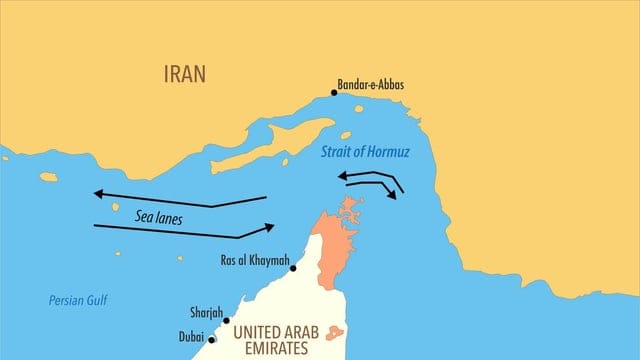
Iran is exporting oil at record volumes, settling in currencies that are not the US dollar. The question of “what currency” is now an open geopolitical fact, not a speculation. When the only reliable exporter in the world’s most critical chokepoint stops demanding dollars for crude, the petrodollar system experiences a structural leak. This does not collapse overnight, but it changes the marginal buyer. India, China, and Russia are accumulating oil without accumulating dollar reserves.
The crypto angle is direct: Bitcoin’s long-term thesis is a reserve asset outside any sovereign monetary system. But the short-term path runs through dollar strength. As oil settles in non-dollar currencies, the dollar’s dominance in trade declines, but its dominance as a safe-haven reserve currency often increases during conflict. This explains the market’s behavior: SOL down 5.5% to $83.26, leading the top 10 losers, while BTC’s 4.9% drop is actually less severe than its historical beta to altcoins would suggest. The market is holding Bitcoin closer to the vest.
Where Markets Stand
Extreme Fear at 13 on the Fear & Greed Index is not an exaggeration. Total crypto market cap sits at $2.36T, and every top 10 mover is red. SOL took the hardest hit at -5.5% to $83.26, followed by AVAX at -5.2% to $8.82. BTC at $66,370 is now below the $68,000 level that had acted as short-term support through most of March. ETH at $1,987 is flirting with the $2,000 psychological level from below. The market is pricing one thing clearly: energy shocks mean inflation stays higher, cuts stay further away, and liquidity stays tighter. Altcoins are bleeding proportionally more because they carry duration risk in a higher-for-longer environment.
What to Watch
- Oil prices at Monday’s Asia open: a 5%+ gap higher will trigger another 3-5% leg down in BTC toward $63,500.
- Fed speak next week: any mention of “energy passthrough to core inflation” will push the first expected rate cut beyond September.
- Strait of Hormuz shipping data: if tanker traffic drops below 15 million barrels per day for three consecutive days, expect another 2% sell-off in ETH relative to BTC.
- Bitcoin’s 200-day moving average at $63,200: a break below that level with volume above $25B on Coinbase would confirm a trend change, not a dip.
- US Treasury statement on waivers: if the administration grants Iran additional oil export waivers, the petrodollar narrative accelerates, but short-term dollar strength will pressure crypto first.
Related Articles
- Daily Market Movers — Friday, March 27, 2026
- BTC Tests $68,645 Support Under Selling Pressure — Daily TA
- Daily Market Movers — Thursday, March 26, 2026