Macro News & Crypto Impact — April 5, 2026
Daily macro news digest: how today's global events affect Bitcoin and crypto markets. BTC at $66,911.

Geopolitics and Energy Risk Feeding Inflation Expectations

The escalation around the Strait of Hormuz threat, combined with strikes on Russian energy infrastructure, centers the market on physical oil supply disruption rather than abstract geopolitical tension. The Hormuz corridor handles a large share of seaborne crude, so even the risk of closure raises shipping costs, insurance premiums, and short-term supply fears, while refinery attacks reduce output of refined fuels like diesel and gasoline.
This matters for crypto because higher energy prices feed into inflation expectations, which influence central bank policy. When inflation remains sticky, rate cuts get delayed, real yields stay elevated, and liquidity conditions tighten. BTC at $66,911 (down 0.4%) and ETH at $2,039 (down 0.7%), per CoinGecko-style market data, reflect this sensitivity to macro liquidity rather than internal crypto catalysts.
The mechanism is indirect but consistent: oil shocks → higher CPI → slower monetary easing → stronger dollar and tighter liquidity → reduced appetite for risk assets. In that chain, crypto behaves similarly to high-duration tech assets, where valuations compress when discount rates remain high.
Military Escalation as a Volatility Catalyst
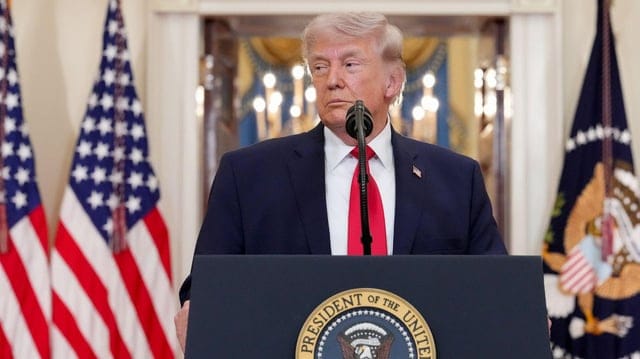
U.S. rescue operations for downed airmen inside Iran signal active military engagement rather than contained diplomacy. A combat search-and-rescue mission deep inside hostile territory implies coordination across air, ground, and intelligence assets, and it increases the probability of further escalation if additional assets are deployed or targeted.
Markets do not price military events directly; they price second-order effects such as supply disruptions and capital flight. In crypto, this shows up as reduced positioning in higher-volatility assets. BCH at $426.20 (-3.9%) led declines among top movers, while UNI at $3.09 (-1.8%) and XRP at $1.29 (-1.6%) also weakened, indicating that speculative segments are being reduced faster than BTC and ETH.
The presence of a 48-hour deadline tied to the Strait of Hormuz amplifies this effect. Time-bound geopolitical risk compresses decision windows, which encourages traders to de-risk before clarity emerges rather than wait for resolution. That behavior reduces spot demand across altcoins first, then feeds into majors if uncertainty persists.
Energy Infrastructure Strikes and Supply Chain Compression

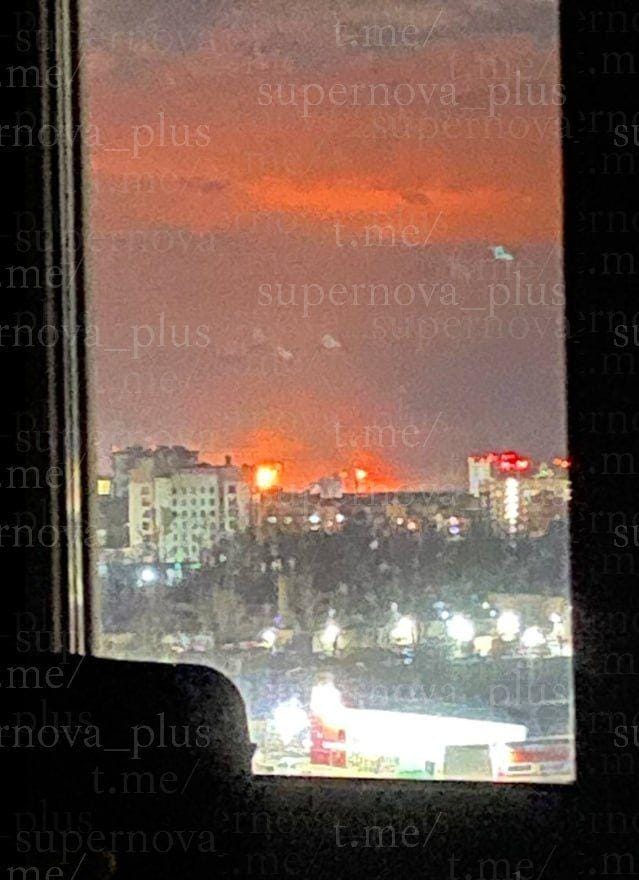
Reported strikes on a Russian Lukoil refinery shift the focus from crude supply to refined product output. Refineries convert crude into usable fuels, so damage reduces throughput capacity even if upstream production continues. This creates localized shortages that can widen price spreads between crude benchmarks and refined fuels.
For crypto, the relevance lies in inflation transmission. Diesel shortages increase transportation and logistics costs, which feed into goods pricing globally. When those costs rise, central banks face slower disinflation paths, which keeps financial conditions tighter for longer. That environment tends to suppress speculative inflows into assets like SOL at $79.32 (-0.9%) and ADA at $0.2422 (-0.9%), both showing mild but synchronized declines consistent with broader de-risking.
The combined effect of refinery damage and potential shipping disruption creates a dual-channel supply shock. One channel affects how energy is transported, while the other affects how it is processed. Together, they increase the probability of sustained inflation pressure rather than a one-off spike.
Where Markets Stand
Bitcoin holding at $66,911 and Ethereum at $2,039 while Fear & Greed sits at 12 indicates that price action is consolidating under extreme fear conditions rather than trending with conviction. The 0.4% BTC decline versus a 0.7% ETH decline suggests relative stability in BTC as liquidity concentrates into the most liquid asset while altcoins absorb more of the downside pressure.
Total crypto market cap at $2.38T reflects that capital has not exited the system, but rotation has slowed. Uniform declines across BCH (-3.9%), SUI (-2.1%), UNI (-1.8%), and XLM (-1.8%) show correlation across assets has increased, a pattern typical when macro drivers dominate and idiosyncratic narratives lose influence.
What to Watch

- Strait of Hormuz developments within the next 48 hours tied to stated geopolitical deadlines
- Any confirmation of additional military operations inside or near Iran that expand conflict scope
- Brent crude movement relative to recent $90+ levels as an early indicator of inflation pressure
- BTC price reaction around the $66,000–$67,000 range to assess whether consolidation holds or breaks
- Changes in Fear & Greed from the current level of 12 as a signal of shifting risk appetite
Related Articles
- Daily Market Movers — Sunday, April 5, 2026
- BTC Tests $66,888 Support Under Selling Pressure — Daily TA
- Macro News & Crypto Impact — April 4, 2026