MetaMask vs Trust Wallet 2026: Which Crypto Wallet Is Better?
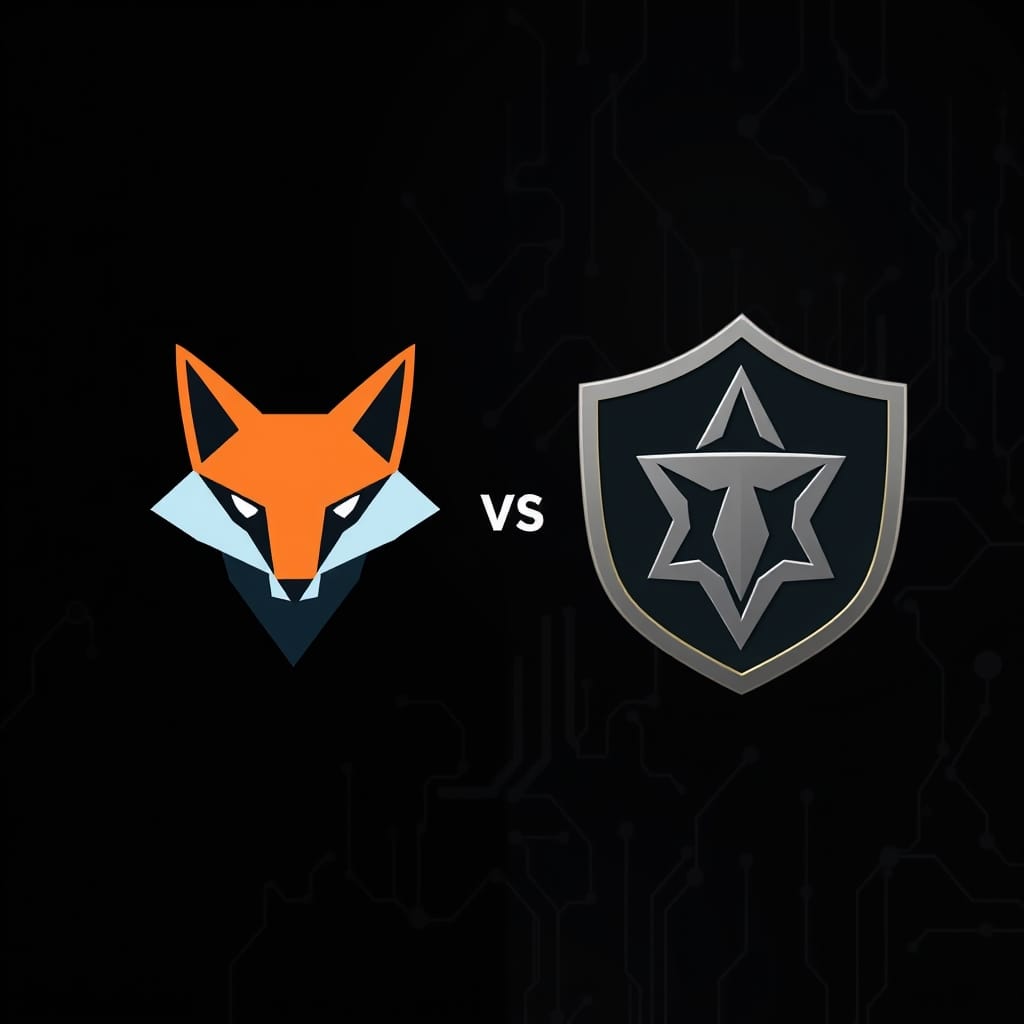
MetaMask vs Trust Wallet
The two most popular self-custody wallets compared for 2026
MetaMask and Trust Wallet are the two most widely used self-custody cryptocurrency wallets in the world, each serving tens of millions of active users. While both allow you to store, send, and interact with decentralized applications, they take fundamentally different approaches to design, chain support, and the overall user experience.
For anyone entering the world of DeFi, NFTs, or simply wanting to hold crypto in their own wallet rather than on an exchange, choosing between MetaMask and Trust Wallet is often the first decision to make. This comparison examines everything from security architecture to DeFi compatibility to help you select the wallet that best fits your needs in 2026.
Quick Comparison
| Feature | MetaMask | Trust Wallet |
|---|---|---|
| Supported Chains | EVM chains (Ethereum, L2s, BSC, etc.) | 100+ chains (EVM + Bitcoin, Solana, Cosmos) |
| Browser Extension | Yes (Chrome, Firefox, Brave, Edge) | Yes (Chrome, Brave, Edge) |
| Mobile App | Yes (iOS, Android) | Yes (iOS, Android) |
| Built-in Swap | Yes (MetaMask Swaps aggregator) | Yes (built-in DEX aggregator) |
| Built-in Staking | ETH staking via Lido/Rocket Pool | Native staking for 15+ assets |
| Hardware Wallet Support | Ledger, Trezor, Lattice1 | Ledger (limited integration) |
| Open Source | Yes | Yes |
| Owned By | Consensys | Binance |
| Default for dApps | Industry standard for EVM dApps | Built-in dApp browser on mobile |
| Fiat On-Ramp | Yes (multiple providers) | Yes (multiple providers) |
MetaMask Overview
MetaMask is the original Ethereum wallet and remains the industry standard for interacting with EVM-compatible decentralized applications. Developed by Consensys, it launched in 2016 as a browser extension and has since expanded to include a mobile app, a token swap aggregator, and portfolio tracking features. When a dApp says "Connect Wallet," MetaMask is almost always the first option listed and the most widely supported.
In 2026, MetaMask has evolved beyond a simple wallet into a comprehensive Web3 gateway. The MetaMask Snaps system allows third-party developers to extend wallet functionality with plugins for non-EVM chains, enhanced security features, and custom transaction insights. The Snaps ecosystem has grown to hundreds of extensions, addressing many of MetaMask historical limitations around multi-chain support.
✅ Pros
- Industry-standard wallet with the widest dApp compatibility across virtually all EVM-based protocols and platforms
- Snaps extensibility system allows plugins for non-EVM chains, enhanced security, and custom functionality
- Excellent hardware wallet integration with Ledger, Trezor, and Lattice1 for cold storage security
- Most active developer community and fastest adoption of new EVM chains and Layer 2 networks
- MetaMask Swaps aggregator finds the best trade prices across multiple DEXs automatically
❌ Cons
- Natively limited to EVM-compatible chains without installing Snaps extensions for Bitcoin, Solana, etc.
- Desktop browser extension can consume significant memory and occasionally conflicts with other extensions
- MetaMask Swaps charges a 0.875% service fee on top of DEX fees, making built-in swaps more expensive
- Phishing attacks frequently target MetaMask users due to its popularity and widespread brand recognition
Trust Wallet Overview
Trust Wallet is a multi-chain self-custody wallet that supports over 100 blockchains natively, including both EVM chains and non-EVM networks like Bitcoin, Solana, Cosmos, and Polkadot. Acquired by Binance in 2018, Trust Wallet has grown from a mobile-first wallet into a full-featured platform with browser extension support, built-in staking, and a native dApp browser that makes discovering DeFi protocols straightforward.
The wallet strengths lie in its breadth of chain support and beginner-friendly mobile experience. Users can manage Bitcoin, Ethereum, Solana, and dozens of other assets from a single interface without needing to install plugins or configure custom networks. The built-in staking feature supports native staking for over 15 assets directly within the wallet, making it particularly attractive for passive income seekers.
✅ Pros
- Native support for over 100 blockchains in a single wallet without plugins or manual network configuration
- Built-in staking for 15+ assets including ETH, SOL, BNB, ATOM, and DOT directly within the app
- Intuitive mobile-first design that is more beginner-friendly than MetaMask for new crypto users
- Built-in dApp browser on mobile makes discovering and connecting to DeFi protocols easy and seamless
- Open source and audited codebase despite being owned by Binance, maintaining community trust and transparency
❌ Cons
- Binance ownership raises centralization concerns for users who prioritize fully independent, neutral wallet providers
- Browser extension is newer and less mature than MetaMask, with some dApps not yet recognizing it natively
- Hardware wallet integration is more limited, primarily supporting Ledger without the depth of MetaMask support
- Advanced users may find the simplified interface limiting for complex multi-step DeFi interactions on desktop
Security Comparison
Both wallets are non-custodial, meaning only you hold your private keys and seed phrase. Neither MetaMask nor Trust Wallet can access your funds or recover your wallet if you lose your seed phrase. Both are open source, allowing independent security researchers to audit the code. From a fundamental security architecture standpoint, both wallets provide equivalent self-custody security.
The practical security differences come down to hardware wallet integration and attack surface. MetaMask offers superior hardware wallet support with native integration for Ledger, Trezor, and Lattice1 devices, allowing users to sign transactions with keys that never touch a hot wallet. Trust Wallet supports Ledger but with a more limited integration. However, Trust Wallet multi-chain design means fewer manual network configurations, which reduces the risk of users accidentally connecting to malicious custom RPC endpoints.
DeFi and dApp Compatibility
MetaMask is the undisputed leader in dApp compatibility on EVM chains. Nearly every DeFi protocol, NFT marketplace, and Web3 application supports MetaMask as the primary wallet connection. The Snaps ecosystem has also extended MetaMask into non-EVM territory, though the experience is less seamless than native support. For users who primarily operate within the Ethereum and EVM ecosystem, MetaMask provides the smoothest experience.
Trust Wallet counters with its built-in dApp browser on mobile, which lets users browse and connect to decentralized applications across multiple chains without leaving the wallet app. For users who need to interact with Solana DeFi, Cosmos staking, or Bitcoin Ordinals alongside Ethereum protocols, Trust Wallet native multi-chain support eliminates the friction of switching between specialized wallets for each ecosystem.
Final Verdict
MetaMask is the better choice for users who primarily operate within the Ethereum and EVM ecosystem and want the widest dApp compatibility and strongest hardware wallet integration. It is the professional-grade wallet that every serious DeFi user should have. Trust Wallet is the better choice for beginners and multi-chain users who want a single wallet for Bitcoin, Ethereum, Solana, and dozens of other chains without the complexity of plugins and manual configuration. Many experienced users actually keep both wallets and use them for different purposes.
Frequently Asked Questions
Can I use MetaMask and Trust Wallet at the same time?
Yes, you can install and use both wallets simultaneously. Many users keep MetaMask as their primary wallet for EVM dApp interactions and Trust Wallet for managing non-EVM assets like Bitcoin, Solana, and Cosmos tokens. Just remember that each wallet generates its own seed phrase, and you should securely back up both.
Which wallet is safer — MetaMask or Trust Wallet?
Both are non-custodial wallets where only you control your private keys, making them equally safe at a fundamental level. MetaMask has an edge in hardware wallet support, which adds physical security. The biggest security risk for both wallets is user error, including phishing attacks, malicious approvals, and lost seed phrases. Use hardware wallets when possible regardless of which hot wallet you choose.
Do MetaMask or Trust Wallet charge fees?
Neither wallet charges fees for sending or receiving crypto. However, you will always pay the blockchain network gas fee for transactions. Both wallets include built-in swap features that charge a small service fee on top of DEX trading fees. MetaMask Swaps charges 0.875%, while Trust Wallet built-in swaps charge a comparable fee. You can avoid these by using DEX interfaces directly.
CryptoTakeProfit Research Team
Our team of analysts and traders covers the crypto market daily. We combine on-chain data, technical analysis, and fundamental research to bring you actionable insights.
Disclaimer: This article is for informational purposes only and does not constitute financial advice. Cryptocurrency investments carry significant risk. Always do your own research and never invest more than you can afford to lose. This article may contain affiliate links.