Phantom vs MetaMask 2026: Which Crypto Wallet Should You Use?
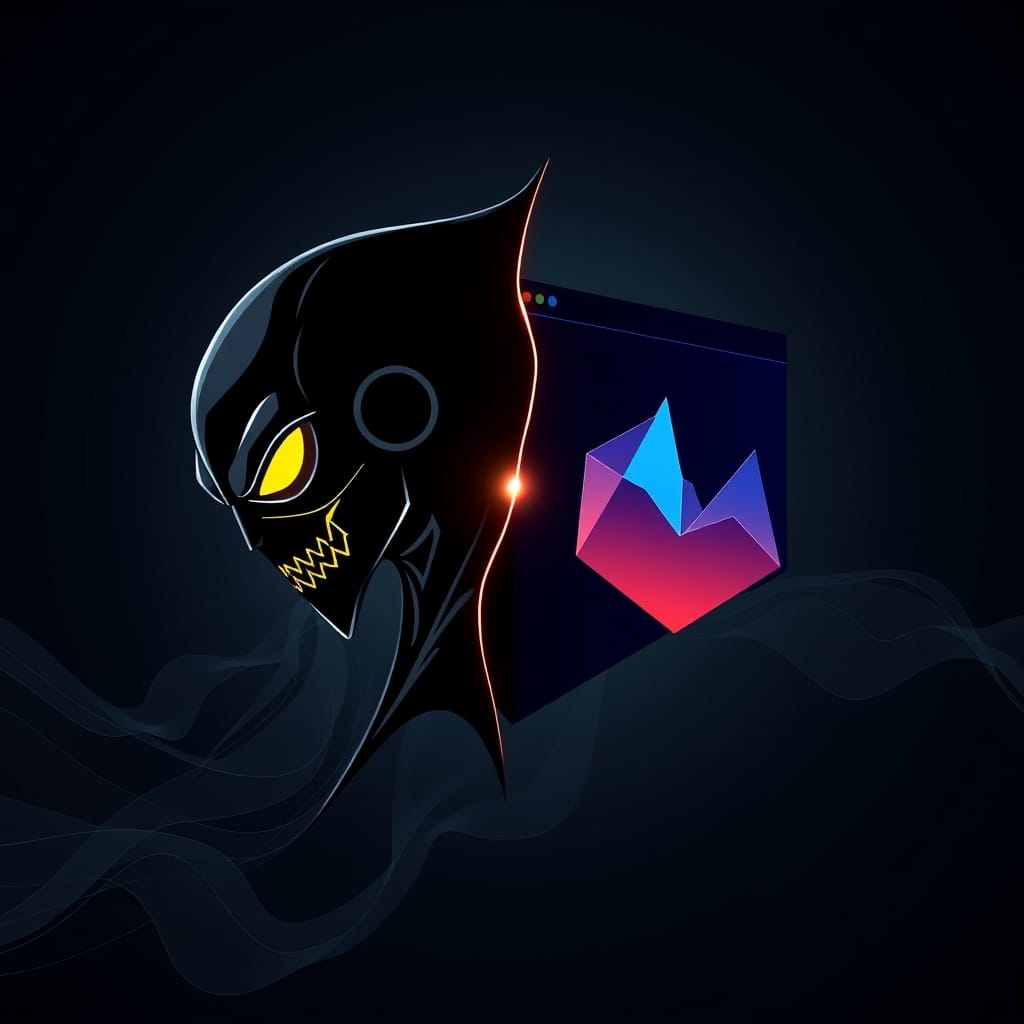
Phantom vs MetaMask
Solana-native powerhouse meets the original Ethereum wallet in a multi-chain era
Phantom and MetaMask are the two most popular self-custody wallets in crypto, but they took very different paths to get here. MetaMask launched as the gateway to Ethereum and has since expanded to support additional EVM chains, while Phantom started on Solana and has grown into a polished multi-chain wallet covering Ethereum, Polygon, Base, and Bitcoin.
Choosing between them in 2026 comes down to which ecosystems you use most, how much you value design polish, and whether built-in features like staking and NFT management matter to your workflow. This comparison covers everything from security architecture to swap fees so you can make an informed decision.
Quick Comparison
| Feature | Phantom | MetaMask |
|---|---|---|
| Supported Chains | Solana, Ethereum, Polygon, Base, Bitcoin | Ethereum + all EVM chains (manual RPC add) |
| Built-in Swap Fees | 0.85% on swaps | 0.875% on swaps |
| NFT Gallery | Native gallery with floor price display | Basic NFT view via Portfolio dApp |
| Staking | Native SOL staking in-app | ETH staking via third-party integrations |
| Mobile App Rating | 4.8 / 5 (iOS) | 4.5 / 5 (iOS) |
| Hardware Wallet Support | Ledger | Ledger, Trezor, Lattice1, Keystone |
| Browser Extensions | Chrome, Firefox, Edge, Brave | Chrome, Firefox, Edge, Brave, Opera |
| Open Source | Partially (audit reports published) | Fully open source |
Phantom Overview
Phantom has evolved from a Solana-only wallet into a sleek multi-chain experience that covers Solana, Ethereum, Polygon, Base, and Bitcoin from a single interface. Its design philosophy prioritizes simplicity without sacrificing power, offering native staking, a built-in NFT gallery with real-time floor prices, and token swap aggregation that consistently routes competitive prices.
The wallet has maintained a strong security track record with no reported exploits of its core infrastructure. Phantom publishes third-party audit reports and has an active bug bounty program, though its codebase is not fully open source, which some security purists consider a drawback compared to MetaMask.
✅ Pros
- Best-in-class mobile and desktop UX with consistent design across platforms
- Native multi-chain support without manual RPC configuration or chain switching
- Built-in SOL staking with validator selection and reward tracking
- Excellent NFT management with collection sorting, floor prices, and spam filtering
- Transaction simulation previews warn users before signing malicious approvals
❌ Cons
- Not fully open source, limiting independent code verification
- Bitcoin support is still basic compared to dedicated Bitcoin wallets
- Fewer hardware wallet integrations than MetaMask
- Non-EVM chain support is limited to Solana and Bitcoin only
MetaMask Overview
MetaMask is the original Ethereum wallet and remains the most widely integrated wallet in the EVM ecosystem. With over 100 million installs, virtually every EVM dApp supports MetaMask connectivity out of the box. Its fully open-source codebase and Snaps extensibility system allow developers to add support for non-EVM chains and custom features.
The Snaps framework introduced in late 2024 has matured significantly, enabling MetaMask to support Bitcoin, Solana, and other non-EVM networks through audited third-party extensions. However, this modular approach means the experience is less seamless than Phantom's native multi-chain integration, requiring users to install and trust individual Snaps for each chain.
✅ Pros
- Fully open source with the largest independent security auditor community
- Universal dApp compatibility across every EVM chain and most Web3 platforms
- Snaps extensibility allows community-built features and non-EVM chain support
- Widest hardware wallet support including Ledger, Trezor, Lattice1, and Keystone
- Institutional version (MetaMask Institutional) available for fund managers
❌ Cons
- Adding non-default networks requires manual RPC configuration
- Mobile app experience is less polished than Phantom's native design
- Built-in swap fees are slightly higher than Phantom and most DEX aggregators
- NFT management features remain basic compared to dedicated galleries
Security Comparison
Both wallets store private keys locally on the user's device and never transmit them to external servers. MetaMask benefits from being fully open source, meaning any developer can inspect its code for vulnerabilities. Phantom compensates with regular third-party audits from firms like Kudelski Security and an active bug bounty program with substantial payouts.
Transaction simulation is an area where Phantom has taken the lead, previewing exactly what a transaction will do before the user signs it. MetaMask has added similar functionality through Blockaid integration, flagging known malicious contracts and phishing attempts before confirmation.
Swap and DeFi Experience
Phantom routes swaps through aggregators on each supported chain, including Jupiter on Solana and 0x on Ethereum, delivering competitive pricing with a 0.85% fee. MetaMask Swaps uses its own aggregation engine with a 0.875% fee, which is slightly more expensive. Both wallets allow users to bypass built-in swaps entirely and connect directly to any DEX or aggregator.
For DeFi power users, MetaMask's universal EVM compatibility means it works with every lending protocol, yield aggregator, and bridge on any EVM chain. Phantom covers the most popular EVM dApps and has deeper Solana DeFi integration, but users working across niche EVM chains may find MetaMask's flexibility indispensable.
Who Should Choose Which
Phantom is the better choice if you are primarily active on Solana or value a polished all-in-one experience with native staking, beautiful NFT management, and seamless multi-chain switching. Its design-first philosophy makes it the most approachable self-custody wallet for newcomers entering crypto in 2026.
MetaMask remains the essential wallet for developers, DeFi power users, and anyone who operates across many EVM chains. Its open-source nature, Snaps extensibility, and universal dApp support make it the Swiss Army knife of Web3, even if the experience requires more manual configuration than Phantom.
Final Verdict
Phantom wins on user experience, mobile design, and native multi-chain polish, making it the ideal wallet for most everyday users and Solana enthusiasts. MetaMask wins on extensibility, open-source transparency, and universal EVM compatibility, making it indispensable for developers and DeFi power users. Many serious crypto users will benefit from keeping both wallets installed and using each where it excels.
Frequently Asked Questions
Can I use both Phantom and MetaMask at the same time?
Yes. Both wallets can be installed simultaneously as browser extensions and on your mobile device. Many users keep Phantom for Solana activity and NFT management while using MetaMask for EVM DeFi and dApp interactions. Just be careful to select the correct wallet when connecting to dApps.
Is Phantom safe even though it is not fully open source?
Phantom has maintained a clean security record since launch and publishes regular third-party audit reports from respected firms. Its transaction simulation feature actively protects users from malicious approvals. While open source provides additional transparency, Phantom's security practices and bug bounty program offer strong assurances for most users.
Which wallet has lower fees for swapping tokens?
Phantom charges 0.85% on built-in swaps while MetaMask charges 0.875%, making Phantom marginally cheaper. However, both fees are higher than swapping directly on a DEX like Uniswap or Jupiter. For large trades, connecting to a DEX aggregator directly through either wallet will typically yield better pricing.
CryptoTakeProfit Research Team
Our team of analysts and traders covers the crypto market daily. We combine on-chain data, technical analysis, and fundamental research to bring you actionable insights.
Disclaimer: This article is for informational purposes only and does not constitute financial advice. Cryptocurrency investments carry significant risk. Always do your own research and never invest more than you can afford to lose. This article may contain affiliate links.