STEP 1: Understand the Moving Average Crossover Signal
Learn about STEP 1: Understand the Moving Average Crossover Signal. Practical guide with tips and FAQ.
Bitcoin’s macro structure in 2026 is once again being defined by long-term moving averages, with the 200-day moving average interacting with the 50-week moving average in a way that historically signals major trend shifts. This crossover is not a short-term trading signal; it reflects a broader alignment between mid-term momentum and long-term trend direction, which often precedes sustained price expansion phases.
At the same time, on-chain data and market structure have become more sophisticated since previous cycles, allowing traders to validate or invalidate traditional technical signals with real-time network activity. While the moving average crossover provides a historical framework, current metrics such as exchange flows, wallet accumulation, and realized price trends add critical context to whether Bitcoin can replicate past outcomes or diverge from them.
In This Guide
Step-by-Step Guide
Understand the Moving Average Crossover Signal
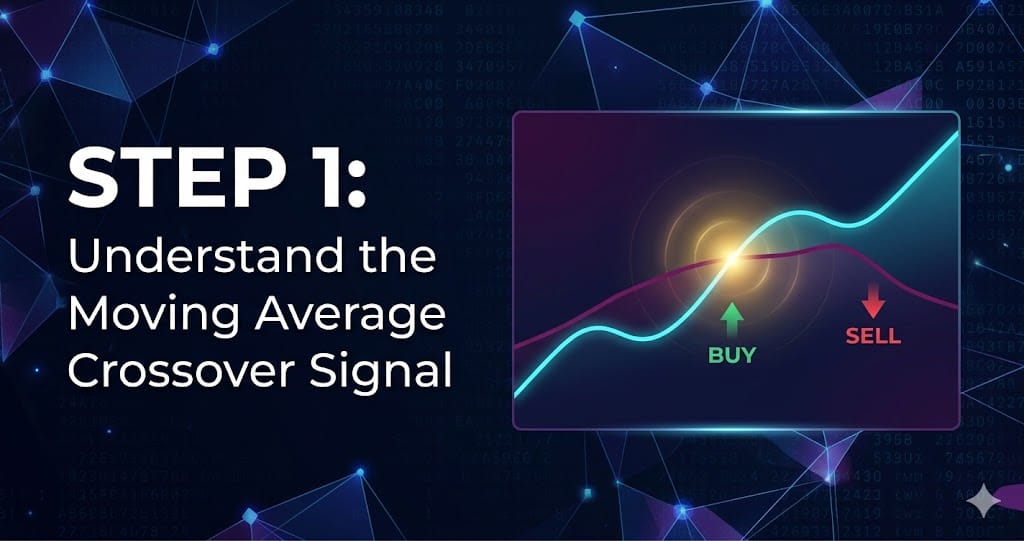
The 200-day moving average (200DMA) and the 50-week moving average (50WMA) represent two different lenses on Bitcoin’s trend: mid-term and long-term. When the 200DMA crosses above the 50WMA, it signals that recent price action is gaining enough strength to override longer-term historical averages. This alignment typically reflects a shift from consolidation or downtrend into a more sustained bullish structure.
Historically, this crossover has appeared near the early stages of major Bitcoin rallies. However, it is not a guaranteed signal of upside on its own. Traders should treat it as a structural indicator rather than a timing tool, using it to confirm broader market direction rather than to enter positions blindly.
Analyze Historical Precedent
Looking at past cycles, similar crossovers have preceded significant Bitcoin rallies, often exceeding 50–60% within months following the signal. These periods typically align with improving liquidity conditions, increasing market participation, and renewed risk appetite across crypto markets.
However, not every instance leads to a sustained rally. Some crossovers have occurred during choppy or sideways markets, especially when macroeconomic conditions were restrictive. This makes historical context useful, but not sufficient without current data confirmation.
Evaluate Current On-Chain Context
On-chain metrics provide real-time insight into whether the market is structurally supporting a bullish move. Key indicators include exchange inflows and outflows, wallet accumulation trends, and realized price levels. When Bitcoin is moving off exchanges and into long-term wallets, it often signals accumulation and reduced sell pressure.
At the same time, metrics like realized price and short-term holder behavior help identify whether new buyers are entering at higher levels or if the market is overheating. A healthy crossover signal is typically reinforced by strong accumulation trends and low exchange supply, indicating that the market is positioned for continuation.
Define Key Price Levels and Risk Zones
Technical validation is essential after identifying a crossover. Traders should map out key support and resistance levels based on recent price structure. These levels act as confirmation zones that either support the bullish thesis or invalidate it if broken.
For example, holding above the 200DMA after the crossover often confirms strength, while a breakdown below key support zones can signal that the move is failing. Risk management becomes critical here, as false breakouts can occur even when macro signals appear aligned.
Combine Multi-Format Retargeting for Distribution
In 2026, content strategy plays a role in how insights are distributed and reinforced. A single Bitcoin analysis can be transformed into multiple formats: a long-form blog for depth, a short video for reach, and an audio breakdown for retention. Each format serves a different audience segment while reinforcing the same core idea.
This multi-format approach increases exposure and engagement, while also building trust through repetition. As audiences encounter the same insight across different platforms, the likelihood of conversion and retention increases, making cross-format distribution a key component of modern crypto communication strategies.
Tips and Best Practices
- Always test with small amounts before committing significant funds.
- Bookmark the official websites of tools mentioned in this guide to avoid phishing.
- Keep detailed records of your transactions for tax reporting purposes.
Ready to start trading?
Trade on Bitget Try CoinTech2uAffiliate links — we may earn a commission at no extra cost to you.
Related Articles
- How to Turn One Crypto Post into 50 Content Pieces (Repurpuz Strategy 2026)
- The Creator's Playbook: How to Build a Profitable Crypto Channel in 3 Untapped Niches
- Real-Time Crypto Thumbnail A/B Testing: The Live-Edit Guide for YouTube Creators