XRP (XRP) in 2026: Complete Investor Guide & Price Analysis
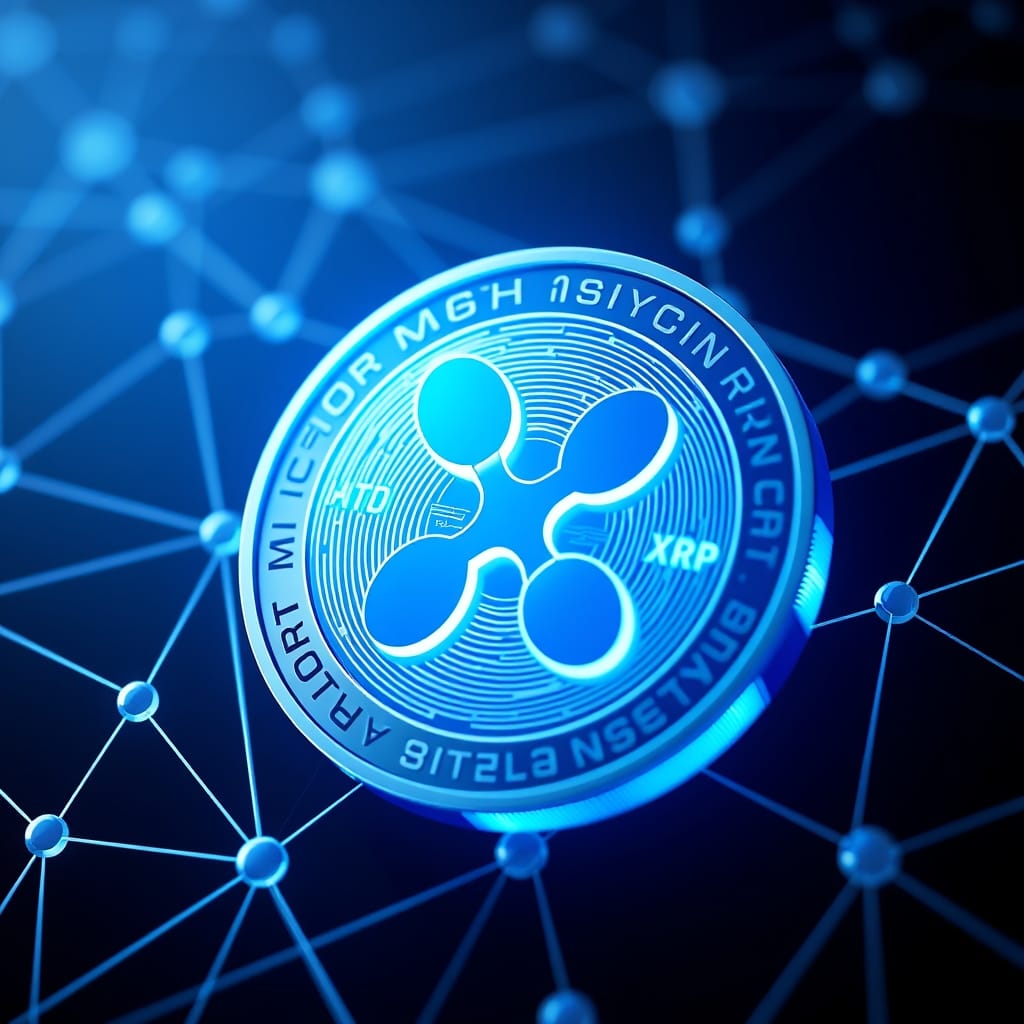
XRP (XRP) — Complete Guide 2026
The digital asset built for fast, low-cost cross-border payments and institutional settlement
XRP has surged back into the spotlight in 2026, trading near $2.50 and reclaiming its position as one of the top five cryptocurrencies by market capitalization. The resolution of Ripple's long-running legal battle with the SEC removed a cloud that had hung over the project for years, unlocking a wave of institutional partnerships and exchange re-listings that propelled the token to multi-year highs.
For investors evaluating XRP today, the landscape has fundamentally changed. Ripple's On-Demand Liquidity service now processes billions in cross-border volume monthly, and the upcoming RLUSD stablecoin launch expands the XRP Ledger's utility beyond simple payment corridors. XRP represents one of the few major crypto assets with direct ties to the traditional banking system.
Price$2.50Market Cap$143BRank#4All-Time High$3.40Launched2012
In This Guide
What Is XRP?
XRP is the native digital asset of the XRP Ledger, an open-source blockchain launched in 2012 by Jed McCaleb, Arthur Britto, and David Schwartz. Unlike Bitcoin and Ethereum, the XRP Ledger uses a unique federated consensus protocol that does not require mining or staking, enabling transactions to settle in three to five seconds with minimal energy consumption.
Ripple Labs, the company most associated with XRP, uses the token as a bridge currency in its On-Demand Liquidity service, which enables financial institutions to move money across borders without maintaining pre-funded accounts in destination currencies. This real-time settlement capability makes XRP uniquely positioned to compete with legacy systems like SWIFT for international payments.
Key Features
- Three-Second Settlement: XRP transactions confirm in three to five seconds on the XRP Ledger, making it one of the fastest settlement networks in crypto. This speed is critical for payment use cases where merchants and financial institutions cannot wait minutes or hours for confirmation.
- On-Demand Liquidity (ODL): Ripple's ODL service uses XRP as a bridge currency to facilitate instant cross-border payments without pre-funded nostro accounts. Financial institutions can convert local currency to XRP, transfer it across borders, and convert it to the destination currency in seconds, freeing up trapped capital.
- Negligible Transaction Costs: Transactions on the XRP Ledger cost a fraction of a cent, typically around 0.00001 XRP. This makes it economically viable for micropayments, frequent transfers, and high-volume institutional settlement where per-transaction costs matter significantly.
- Built-In Decentralized Exchange: The XRP Ledger includes a native decentralized exchange that allows users to trade any issued token directly on the ledger without smart contracts. This built-in DEX supports order books and automated market making with the same speed and low cost as standard XRP transfers.
- RLUSD Stablecoin: Ripple's RLUSD is a fully backed US dollar stablecoin issued on the XRP Ledger and Ethereum. It expands the ecosystem's utility by providing a stable settlement currency that complements XRP's role as a bridge asset in cross-border payment flows.
Use Cases
- Cross-border payment settlement for banks and payment providers through Ripple's On-Demand Liquidity network
- Remittance corridors connecting developing economies where traditional banking infrastructure is limited or expensive
- Treasury management for corporations needing to move funds between international subsidiaries without pre-funding accounts
- Micropayments and streaming payments leveraging the XRP Ledger's negligible transaction fees
- Tokenized asset issuance on the XRP Ledger using its native compliance features and built-in decentralized exchange
Pros & Cons
✅ Pros
- Fastest and cheapest settlement among major cryptocurrencies, with three-second finality and near-zero fees proven at scale
- Direct partnerships with hundreds of financial institutions worldwide give XRP genuine utility in the traditional finance system
- SEC legal clarity following the Ripple lawsuit resolution has removed the primary regulatory overhang that depressed the token for years
- Extremely energy-efficient consensus mechanism uses negligible electricity compared to proof-of-work blockchains like Bitcoin
- RLUSD stablecoin and expanding DeFi ecosystem on the XRP Ledger diversify the token's utility beyond pure payment corridors
❌ Cons
- Centralization concerns persist due to Ripple Labs' large XRP holdings and significant influence over the ecosystem's direction
- Competition from stablecoins and SWIFT's own modernization efforts threaten to capture some of XRP's target payment market
- Limited smart contract capabilities compared to Ethereum and Solana restrict the complexity of applications that can be built natively
- Price is still heavily influenced by Ripple-related news and token release schedules from the company's monthly escrow unlocks
Price Outlook
XRP trades around $2.50 in early 2026, benefiting from post-litigation clarity and accelerating ODL adoption across Asia-Pacific and Latin American corridors. The token's price is approaching its 2018 all-time high, and breaking that resistance level would represent a significant psychological milestone that could attract momentum-driven capital. Growing institutional interest and the RLUSD launch provide fundamental catalysts.
Investors should watch ODL volume growth, new banking partnerships, and RLUSD adoption as key indicators of XRP's trajectory. The main risk is that stablecoin-based settlement solutions gain traction faster than XRP's bridge model, reducing the demand driver for the token. Additionally, Ripple's monthly escrow releases of XRP tokens create ongoing sell pressure that must be absorbed by new demand.
Frequently Asked Questions
Is XRP still a good investment after the SEC settlement?
The SEC settlement removed the largest uncertainty facing XRP and opened the door for exchange re-listings and institutional adoption. With legal clarity established, XRP can now compete on its merits as a payment settlement asset. Investors should evaluate it based on ODL growth and banking partnerships going forward.
How is XRP different from Bitcoin?
XRP is designed specifically for fast, cheap payment settlement, confirming transactions in three seconds versus Bitcoin's ten minutes. It uses a federated consensus model instead of energy-intensive mining. While Bitcoin is primarily a store of value, XRP targets the cross-border payments market with institutional-grade infrastructure.
Does Ripple control XRP?
Ripple Labs is the largest holder of XRP and the primary company building on the XRP Ledger, but it does not technically control the network. The XRP Ledger is open-source and operated by independent validators. However, Ripple's outsized influence and token holdings are a legitimate centralization concern for many investors.
Our Verdict
XRP offers a unique value proposition in the crypto landscape as a purpose-built payment settlement asset with genuine institutional adoption. The resolution of the SEC lawsuit has cleared the regulatory path, and growing ODL volumes demonstrate real-world demand for the token's bridge currency function. While centralization concerns and stablecoin competition are valid risks, XRP's speed, cost efficiency, and banking partnerships make it a compelling holding for investors who believe that blockchain will transform cross-border finance.
CryptoTakeProfit Research Team
Our team of analysts and traders covers the crypto market daily. We combine on-chain data, technical analysis, and fundamental research to bring you actionable insights.
Disclaimer: This article is for informational purposes only and does not constitute financial advice. Cryptocurrency investments carry significant risk. Always do your own research and never invest more than you can afford to lose. This article may contain affiliate links.