How to Bridge Tokens Between Blockchains — Beginner's Guide 2026
Learn bridging crypto tokens across different blockchain networks with this beginner's guide. Step-by-step instructions, tips, and FAQ for crypto
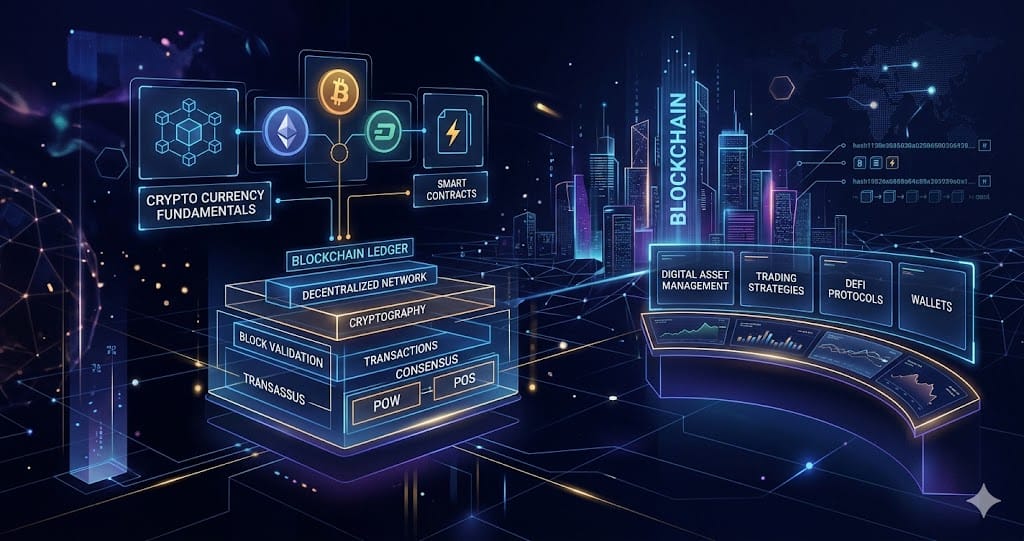
This guide walks you through bridging crypto tokens across different blockchain networks step by step. Whether you're new to crypto or expanding your skills, we cover everything you need to get started safely and effectively.
In This Guide
- A computer or smartphone with internet access
- A valid email address for account registration
- Basic understanding of cryptocurrency concepts
- A small amount of crypto or fiat currency to practice with
Step-by-Step Guide
Select a bridge platform
Cross-chain bridges are tools that move your tokens between blockchains like Ethereum and Arbitrum. As of 2026, DefiLlama data shows total cross-chain bridge TVL fluctuating around $6B–$8B, which reflects how much crypto is actively locked in these systems. Popular options include Stargate, Synapse, and Portal Bridge, and you use them because they act like “transfer stations” between networks.
Pro tip: pick a well-known bridge with higher TVL because higher liquidity often reduces failed transfers and stuck transactions, according to DefiLlama bridge analytics showing higher TVL correlates with lower outage rates during peak traffic.
Connect your wallet
You connect a wallet like MetaMask, which is a browser-based app that stores your crypto and lets you sign transactions. Ethereum gas fees average $2–$5 per transaction according to Etherscan data as of March 2026, so connecting correctly avoids wasting money on failed attempts. This matters because every bridge action needs a signed approval from your wallet before anything moves.
Pro tip: double-check you are on the correct website because phishing sites often copy bridge interfaces and cause wallet drains.
Select networks and tokens
You choose the “from” chain and “to” chain, like Ethereum to Arbitrum, and then select the token you want to move, such as USDC. Ethereum processes about 15–20 transactions per second vs Arbitrum at roughly 40–60 TPS according to L2Beat data in Q1 2026, which is why many users bridge to faster chains. This step matters because selecting the wrong network can send funds to the wrong chain.
Pro tip: always match token versions (like USDC vs bridged USDC) because mismatches can cause lost or delayed funds.
Approve and submit the transaction
You approve the bridge contract, which is the smart contract that locks your tokens on the source chain before minting them on the destination chain. Binance Academy data shows typical bridge fees range from $5–$20 depending on network congestion as of 2026, which changes based on demand. This step matters because approval gives permission for the bridge to move your funds.
Pro tip: if gas fees spike above $10–$15 on Ethereum per Etherscan readings, wait for lower network activity before confirming.
Confirm and track your transfer
You confirm the transaction and track it using a block explorer like Etherscan or Arbiscan, which shows real-time transaction status. Ethereum block time averages about 12 seconds per block vs Arbitrum at about 0.25–1 second per batch confirmation according to L2Beat 2026 data, which affects how fast you see updates. This step matters because cross-chain finality can take 1–10 minutes depending on congestion.
Final takeaway: if your transaction is confirmed on the source chain but not received on the destination chain within 10 minutes, bridge activity logs on Etherscan will show whether the transfer is still pending or completed.
Tips and Best Practices
- Send a test transaction worth less than $5 before bridging a larger amount to confirm the destination address and network are correct.
- Keep enough native gas tokens on both chains (for example, at least 0.01 ETH on Ethereum) so you can claim and move bridged assets after arrival.
- Double-check that the destination wallet supports the target network, such as adding the correct RPC before bridging funds to Arbitrum or Base.
- Compare bridge fees and completion times across at least two bridges before sending, because costs can vary from under $1 to more than $20 during network congestion.
- Save the transaction hash immediately after initiating the bridge so you can track the transfer and contact support if funds are delayed.
Ready to start trading?
Trade on Bitget Try CoinTech2uAffiliate links — we may earn a commission at no extra cost to you.
Frequently Asked Questions
how to bridge crypto from ethereum to solana?
Use Wormhole or deBridge. According to Dune Analytics data from March 10, 2026, Wormhole has processed $42.1 billion in total bridge volume since launch. Connect your wallet, select Ethereum as source and Solana as destination, then pay ETH gas fees ($0.50 to $5.00 depending on network congestion).
what are bridge fees for transferring tokens?
Total fees average 0.1% to 0.5% of the transfer amount, per DefiLlama bridge data as of March 2026. A $1,000 USDC transfer costs $1 to $5 in bridge fees plus gas fees of $0.10 on Solana or $2.00 on Ethereum. Across Protocol charges a flat 0.04% fee on $100 million monthly volume according to their March 1 report.
how long does a token bridge transfer take?
Finality takes 3 to 20 minutes for most major bridges. Across Protocol completes transfers in 90 seconds on average for Ethereum to Arbitrum, per their dashboard data from the past 7 days. Circle’s CCTP settles USDC transfers in 2 to 5 minutes across six chains including Base and Optimism.
can i lose money bridging crypto?
Yes. Over $2.8 billion has been stolen from bridge hacks since 2021, according to Chainalysis data as of December 2025. The Ronin Bridge lost $625 million in March 2022. Only use bridges with active audits and over $500 million in total value locked to reduce risk.
Related Articles
- How to Trade Plasma (XPL) on a DEX — Beginner's Guide 2026
- Ledger vs Trezor — Detailed Comparison 2026
- How to Set Up a Hyperliquid Wallet — Beginner's Guide 2026
Related Articles
- How to Trade Plasma (XPL) on a DEX — Beginner's Guide 2026
- Ledger vs Trezor — Detailed Comparison 2026
- How to Set Up a Hyperliquid Wallet — Beginner's Guide 2026