AI Crypto Trading Bots 2026 Guide: Platforms, Security Risks, and Regulatory Shifts
Learn AI crypto trading bots in 2026: platforms, risks, CVEs, Step Finance hack, CLARITY Act timeline, and safe usage steps.

AI crypto trading bots in 2026 operate in a market shaped by $20.57T Q1 derivatives volume and 91% trading dominance from futures markets (Binance Research, 2026-Q1). At the same time, security exposure expanded sharply with OpenClaw vulnerabilities rising to 138+ CVEs as of April 6, including 7 Critical and 49 High severity issues. Major incidents like the ~$40M Step Finance exploit and $45M AI-driven social engineering attacks show that automation risk is no longer theoretical. Meanwhile, regulatory pressure increases through the CLARITY Act 14-day decision window and MiCAR enforcement deadline on July 1,
In This Guide
Step-by-Step Guide
Evaluate AI Trading Bot Platforms
AI trading bots in 2026 range from script-based systems to full agentic platforms with autonomous decision layers. Examples include QuantPilot-style systems with natural language strategy generation, compared with older script tools like HaasScript or TradingView automation. Focus on transparency and execution control. Platforms integrating live data sources such as DefiLlama, CryptoQuant, or CoinMarketCap reduce blind spots in strategy design. Avoid systems without documented CVE history or public security audits, especially given OpenClaw’s 138+ vulnerability count (2026-04-06).
Assess Security and CVE Exposure
Security evaluation is now mandatory before deployment. OpenClaw alone shows rapid risk escalation, growing from ~10 known issues to 138+ CVEs in under two weeks, including privilege escalation and SSRF vulnerabilities. Shodan scans also identified 42,000+ exposed instances and 1,467 malicious skill packages in circulation. This creates a direct attack surface for AI trading bots connected via APIs or cloud execution layers.
Configure Exchange and Wallet Isolation
Exchange integration requires strict permission control. API keys must be restricted to trading-only functions with withdrawals disabled. The Step Finance exploit demonstrated how compromised access can trigger automatic transfers of ~$27M–$30M in SOL without manual approval. Use segregated wallets per strategy. Never connect primary holdings directly to bot infrastructure. Even advanced systems cannot prevent execution once credentials are compromised or stolen.
Test Strategies Under Real Market Conditions
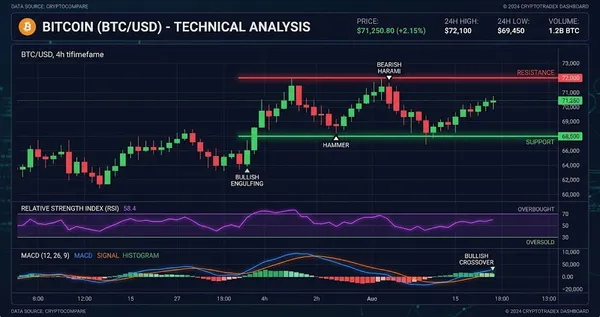
Backtesting alone is insufficient due to regime shifts. BTC moved from $67,896 on March 27 to $74,345 on April 14 (+9.5%), invalidating range-bound strategies optimized for lower volatility. Use simulation environments such as paper trading modules or sandbox execution. Include stress scenarios like Fear & Greed Index extremes (8 in early April 2026) to test drawdown behavior under panic conditions.
Deploy with Continuous Monitoring
AI bots require active oversight due to adaptive risk behavior. OWASP 2026 guidelines highlight “agent memory poisoning” where systems learn from malicious but seemingly valid inputs. Set monitoring thresholds for drawdown, exposure, and funding rate divergence. Pause systems during abnormal volatility spikes or regulatory events like CLARITY Act markup decisions or MiCAR enforcement transitions.
Tips and Best Practices
- Always test with small amounts before committing significant funds.
- Bookmark the official websites of tools mentioned in this guide to avoid phishing.
- Keep detailed records of your transactions for tax reporting purposes.
Ready to start trading?
Trade on Bitget Try CoinTech2uAffiliate links — we may earn a commission at no extra cost to you.
Frequently Asked Questions
Are AI crypto trading bots safe in 2026?
They are safe only with strict controls. Security breaches and CVE expansion show systemic risks across infrastructure and APIs.
What is the biggest risk when using AI trading bots?
Access compromise. The Step Finance case showed ~$27M+ losses from automated execution after credential exposure.
Do AI trading bots still work in volatile markets?
Yes, but only with adaptive strategies. BTC’s +9.5% move in under 3 weeks invalidated static models optimized for range conditions.
Related Articles
- Phantom vs Solflare — Detailed Comparison 2026
- How to Spot Crypto Scams and Rug Pulls — Beginner's Guide 2026
- Crypto Infrastructure Upgrades 2026: Order Execution, Smart Wallets, and Native USDC Settlement Explained
Try AI auto-trading on your exchange
CoinTech2U runs take-profit and grid strategies on Binance, Bybit, Bitget, and OKX. No-code setup. Performance-based pricing — you only pay when the bot generates profit.
Get Started → Learn more