How today's global events are shaping the crypto market
BTC Price
$77,064 (-0.1%)
ETH Price
$2,124 (+0.1%)
Fear & Greed
28 — Fear
Total Market Cap
$2.66T
Top Mover
DOT +5.6%
Macro pressure is driving rotation, not trend formation
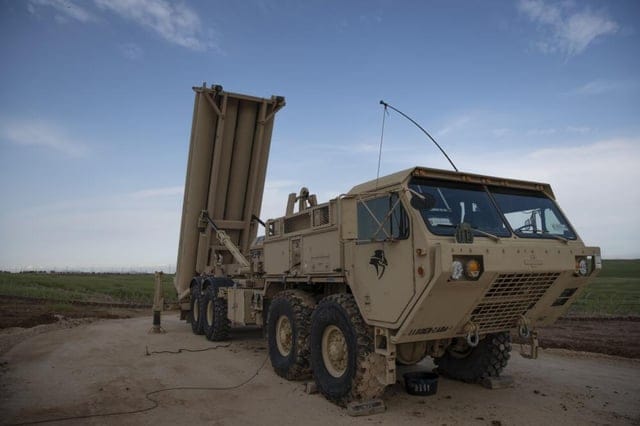
Recent geopolitical and policy signals are pushing capital into short-cycle positioning instead of conviction trades. Defense systems are under strain from sustained conflict exposure, while energy infrastructure disruption and regulatory easing in industrial refrigeration reflect governments prioritizing short-term cost control over long-term constraints. That combination reduces clarity on inflation trajectory.
In crypto, that shows up as suppression of BTC follow-through at $77,064 (-0.1%) while capital rotates into higher-beta tokens like DOT (+5.6%), LINK (+3.1%), and XLM (+2.5%). UNI (+2.0%) and BNB (+1.9%) follow the same pattern, where liquidity targets liquid mid-caps instead of building directional exposure in majors. TON at -2.8% shows flows are selective, not uniform.
The mechanism is simple. Unclear macro path → weaker rate-cut confidence → lower leverage appetite → BTC stagnation. That leaves altcoins to trade narrative bursts instead of sustained trends.
Where Markets Stand
BTC at $77,064 (-0.1%) sits in a narrow band with ETH at $2,124 (+0.1%), while total crypto market cap at $2.66T shows no expansion pressure. Fear & Greed at 28 confirms positioning is defensive, so rallies are not being extrapolated into trend continuation.
DOT’s +5.6% move leads a tight distribution where most top assets remain between +1% and +3%. That spread shows rotation without conviction. Market structure is balanced but fragile, with no follow-through above recent highs.
What to Watch
Marcus Chen
Macro Analyst
Marcus tracks global macroeconomic events and geopolitical developments to analyze their impact on cryptocurrency markets.
Disclaimer: This article is for informational purposes only and does not constitute financial advice. Cryptocurrency investments carry significant risk. Always do your own research and never invest more than you can afford to lose. This article may contain affiliate links.