How to Code Your Own Crypto Trading Bot in 60 Seconds (2026 Guide)
Learn how to code a simple crypto trading bot in 60 seconds using Python, with secure API handling and real trade execution.

$1M+ was drained from crypto users in 2025 through fake trading bot tutorials. Most of these scams relied on hidden code and stolen API keys, not trading skill.
Writing your own bot removes that risk. A simple 15-line Python script can fetch live prices and execute a real trade while keeping your keys local and permissions limited.
In This Guide
Step-by-Step Guide
Set Up Your Environment
Install the required libraries using a single command. You only need ccxt for exchange access and python-dotenv to manage API keys securely.
Create a .env file and store your API key and secret there. This keeps sensitive data out of your main script and prevents accidental exposure if you share or upload your code.
Connect to the Exchange
Import ccxt and load your environment variables into the script. Initialize the exchange connection using your API key and secret.
This step replaces complex integrations with a unified interface. One setup works across multiple exchanges, which keeps your code simple and portable.
Fetch Live Market Data
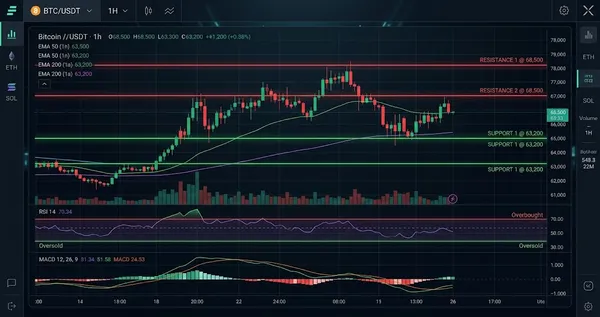
Use the fetch_ticker function to pull the latest BTC/USDT price. Print the result to confirm the connection works correctly.
This verifies your bot can read market data before placing trades. If this step fails, you avoid risking funds on a broken setup.
Execute a Test Trade
Add a single create_order line to place a market buy order. Use a very small amount like 0.001 BTC to limit risk.
Running this confirms your bot can execute trades end-to-end. The terminal output provides proof that the order was placed successfully.
Apply Basic Security Controls
Disable withdrawal permissions on your API key and restrict it to trading only. If possible, whitelist your IP address to prevent unauthorized access.
Add your .env file to .gitignore before uploading code anywhere. This ensures your keys never leave your local environment.
Tips and Best Practices
- Always test with small amounts before committing significant funds.
- Bookmark the official websites of tools mentioned in this guide to avoid phishing.
- Keep detailed records of your transactions for tax reporting purposes.
Ready to start trading?
Trade on Bitget Try CoinTech2uAffiliate links — we may earn a commission at no extra cost to you.
Related Articles
- How to Build a YouTube Crypto Bot Demo Pipeline in 2026
- STEP 1: Capture High-Value SpotBot Signals
- How to Build a Faceless AI-Powered Crypto Education Channel in 2026