Cross-Chain Bridges Explained: How to Move Crypto Between Blockchains
Learn how cross-chain bridges work, compare the safest bridges in 2026, and understand the risks of moving crypto between blockchains like Ethereum, Solana, and Arbitrum.
Why Do We Need Cross-Chain Bridges?
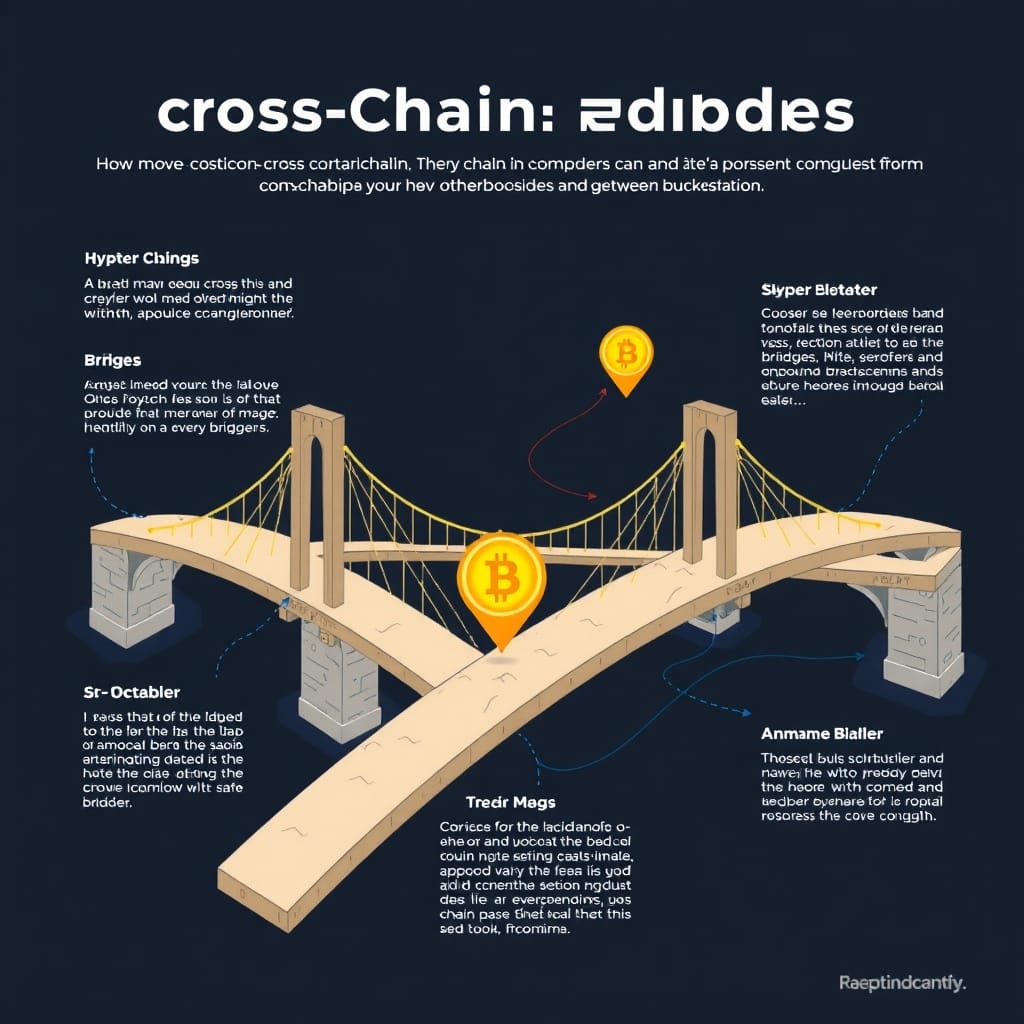
Blockchains are isolated by design. Bitcoin can't natively talk to Ethereum, and Ethereum can't directly interact with Solana. Cross-chain bridges solve this by enabling asset and data transfers between different networks.
As DeFi expanded beyond Ethereum to chains like Arbitrum, Solana, Avalanche, and Base, bridges became essential infrastructure. They let users access the best yields, lowest fees, and unique protocols across the multi-chain ecosystem.
How Cross-Chain Bridges Work
Lock-and-Mint Model
The most common approach: your tokens are locked in a smart contract on the source chain, and equivalent "wrapped" tokens are minted on the destination chain. To return, the wrapped tokens are burned and the originals unlocked.
Liquidity Pool Model
Instead of locking and minting, bridges like Stargate and Across maintain liquidity pools on both chains. When you bridge, you deposit into one pool and receive from another. This avoids wrapped tokens entirely — you get native assets on both sides.
Intent-Based Model
Newer bridges like Across use an intent system: you express what you want (e.g., "send 1 ETH to Arbitrum"), and a network of relayers competes to fill your order. The fastest relayer fulfills it and gets reimbursed from the protocol.
Types of Bridges
| Type | Trust Model | Speed | Examples |
|---|---|---|---|
| Native/Canonical | Secured by L1 validators | Slow (7+ days for fraud proofs) | Arbitrum Bridge, Optimism Bridge |
| Liquidity Network | Relayers + smart contracts | Fast (minutes) | Across, Stargate, Hop |
| Validator Set | External validator group | Medium | Wormhole, Axelar, LayerZero |
| Aggregator | Routes through best bridge | Varies | Li.Fi, Socket, Bungee |
Top Bridges in 2026
Across Protocol
Intent-based bridge with the fastest fill times (usually under 30 seconds for popular routes). Secured by UMA's optimistic oracle. Supports Ethereum, Arbitrum, Optimism, Base, Polygon, and more. Low fees due to competition between relayers.
Stargate (LayerZero)
Unified liquidity bridge built on LayerZero messaging. Guarantees native assets on the destination (no wrapped tokens). Supports 15+ chains including Ethereum, Arbitrum, Avalanche, BNB Chain, and Solana.
Native Rollup Bridges
For Arbitrum and Optimism, the canonical bridges are the most trustless option — secured by the same validators that secure the L2. The trade-off is speed: withdrawals to Ethereum take ~7 days due to the fraud-proof challenge period.
Risks of Using Bridges
Smart Contract Exploits
Bridges are the #1 target for hackers. Major incidents include:
- Wormhole ($320M, 2022): Attacker minted unbacked wrapped ETH on Solana
- Ronin Bridge ($625M, 2022): Compromised validator keys
- Nomad ($190M, 2022): Copy-paste exploit after a config change
Bridges hold large amounts of locked assets, making them high-value targets. A single vulnerability can drain everything.
Wrapped Token Risk
Wrapped tokens are only as safe as the bridge that issued them. If the bridge is hacked and the backing is drained, your wrapped tokens become worthless. This is why liquidity-pool bridges that give native assets are generally preferred.
Censorship & Downtime
Some bridges rely on small validator sets that can go offline or be censored. Check how many validators secure the bridge and how they're selected.
How to Bridge Safely
- Use established bridges: Stick to protocols with long track records and significant TVL
- Start small: Always send a test transaction first, especially on a new route
- Check the route: Bridge aggregators like Li.Fi show you fees, speed, and which underlying bridge is used
- Verify the destination address: Triple-check that the correct wallet and network are selected
- Prefer native assets: Liquidity-pool bridges that deliver native USDC or ETH are safer than wrapped tokens
- Watch for fees: Some routes have hidden slippage. Compare total cost including gas on both chains
Step-by-Step: Bridging with Across
- Go to across.to and connect your wallet
- Select the source chain (e.g., Ethereum) and destination (e.g., Arbitrum)
- Choose the token and amount
- Review the estimated fee and time
- Click Send and approve the transaction in your wallet
- Wait for confirmation — typically 15-60 seconds for Across
Bottom Line
Cross-chain bridges are essential infrastructure for navigating the multi-chain world, but they carry real risk. Favor established bridges with strong security track records, always test with small amounts, and prefer native-asset delivery over wrapped tokens. As intent-based and zero-knowledge proof bridges mature, bridging will become faster, cheaper, and safer.