DeFi Token Swapping in 2026: The Complete Guide to One-Click Cross-Chain Trades
DeFi swaps have evolved. Learn how intent-based trading, gasless swaps, and one-click cross-chain exchanges work in this complete 2026 guide.
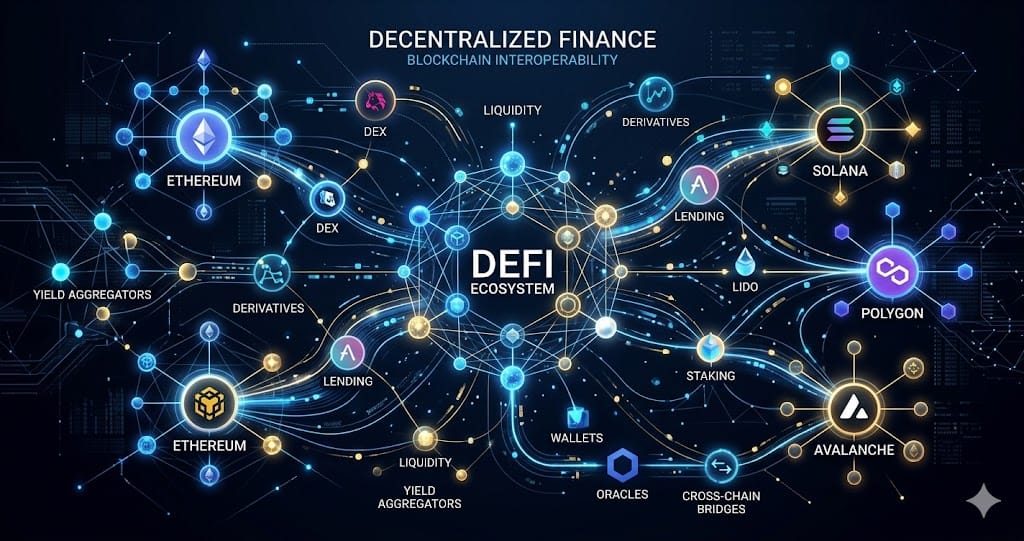
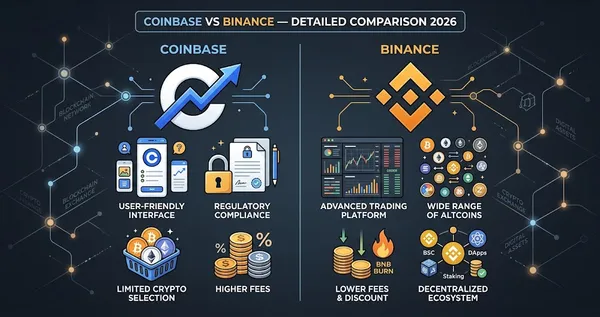
Just a few years ago, swapping tokens on a decentralized exchange was a daunting ritual. You needed native gas tokens for every chain, you had to manually approve smart contracts, and moving assets from one blockchain to another required navigating clunky bridges with locked funds and significant security risks. The process was slow, expensive, and intimidating for anyone used to the simplicity of a centralized exchange like Coinbase or Binance.
That era is ending. Over the past 18 months, the DeFi landscape has undergone a radical user experience revolution. Driven by innovations like intent-based architecture, gas fee abstraction, and solver competition, token swapping has been compressed into a single click. Whether you are swapping across Ethereum, BNB Chain, and Base, or trading without ever worrying about "insufficient gas," the experience is now faster, safer, and more seamless than ever. This guide will walk you through exactly how to perform a DeFi token swap in 2026, explaining the technology that makes it possible and how you can take advantage of it.
In This Guide
Step-by-Step Guide
Choose a Next-Generation DeFi Wallet or Aggregator
Your starting point is selecting a platform that supports the new wave of DeFi UX. In 2026, this means looking for wallets or aggregators that explicitly offer "gasless swaps," "intent-based routing," or "one-click cross-chain" features. Popular options include the 1inch Wallet (which uses Fusion mode for gasless trading), Phantom Wallet (which has drastically lowered its gasless trade minimums), or using the 0x Gasless API directly through interfaces like Robinhood Wallet. For cross-chain simplicity, PancakeSwap has integrated Across Protocol to offer instant swaps between BNB Chain, Arbitrum, and Base. Before committing, ensure the platform supports the specific tokens you want to trade and the networks you intend to use.
Connect Your Wallet and Select Your Trade
Once you have chosen your platform, connect your Web3 wallet (like MetaMask, Rabby, or Phantom) by clicking the "Connect Wallet" button. The process is identical to traditional DeFi, but the back-end experience will differ. Navigate to the swap interface and select the token you wish to sell (e.g., 1 ETH) and the token you wish to buy (e.g., 1800 USDC). The interface will look familiar, but you may notice new labels like "Gasless," "Fusion," or "Intent." Input the amount you want to swap. Because of intent-based systems, you are no longer simply signing a transaction to call a specific liquidity pool; you are stating your goal: "I want to swap this for that."
Review the Quote and the Solvers
After entering your amount, the platform will generate a quote. However, instead of simply showing you the best price from a single DEX, modern aggregators run a silent auction in the background. Specialized actors called "solvers" compete to fulfill your intent. These solvers analyze liquidity across dozens of DEXs, multiple chains, and various bridges to find the optimal route for your swap. They quote you a final output amount and a timeframe (e.g., "You will receive at least 1795 USDC within 30 seconds"). This is where you should check the details: the guaranteed minimum you will receive and any embedded fees. Remember, "gasless" doesn't mean free; the solver covers the gas cost but recoups it via the spread or a small fee deducted from your output.
Sign the Intent (Off-Chain Message)
This is the key moment where the new UX diverges from the old. You will not be prompted to send an on-chain transaction that requires gas and a long confirmation wait. Instead, your wallet will ask you to sign an off-chain message. This signature is cryptographically secure but costs nothing and happens instantly. It authorizes a specific solver to execute the trade on your behalf according to the quoted terms. By signing, you are not transferring your funds; you are issuing a binding order that a solver will fulfill. This keeps your order out of the public mempool, which provides inherent protection against MEV bots that might otherwise front-run your trade.
Receive Your Tokens and Verify
Once you sign the message, the winning solver fronts the required capital and any gas fees to execute the swap across the necessary protocols and chains. Within seconds (often as fast as 3 seconds in the case of optimized cross-chain routes), the swapped tokens will appear in your wallet. You do not need to stay on the page or wait for multiple block confirmations. After the swap completes, you can view the transaction details in your wallet history, which will show the solver's contract interaction that delivered your funds. The entire process—from intent to execution—feels like a single, seamless action, abstracting away the complex web of DeFi infrastructure that used to be the user's burden.
Tips and Best Practices
- Always test with small amounts before committing significant funds.
- Bookmark the official websites of tools mentioned in this guide to avoid phishing.
- Keep detailed records of your transactions for tax reporting purposes.
Ready to start trading?
Trade on Bitget Try CoinTech2uAffiliate links — we may earn a commission at no extra cost to you.
Related Articles
- How to Track Confluence Trading in Crypto (2026 Guide)
- The Complete 2026 Guide: How to Get Real-Time Price Data for DEX-Only Tokens
- How to Trade Kaspa (KAS) on a DEX — Beginner's Guide 2026