How to Bridge Tokens Between Blockchains — Beginner's Guide 2026
Learn bridging crypto tokens across different blockchain networks with this beginner's guide. Step-by-step instructions, tips, and FAQ for crypto

This guide walks you through bridging crypto tokens across different blockchain networks step by step. Whether you're new to crypto or expanding your skills, we cover everything you need to get started safely and effectively.
In This Guide
- A computer or smartphone with internet access
- A valid email address for account registration
- Basic understanding of cryptocurrency concepts
- A small amount of crypto or fiat currency to practice with
Step-by-Step Guide
Create and Fund Your Wallet
Set up a crypto wallet like MetaMask or Trust Wallet and write down your recovery phrase on paper, not your phone. Add the token you want to bridge and make sure you already hold enough native gas coin like ETH or MATIC. Common gotcha: if you skip gas funds, your bridge transaction will fail even if you have enough tokens.
Connect to a Trusted Bridge Platform
Go to a bridge like Stargate Finance, Synapse Protocol, or Portal Bridge and click "Connect Wallet." Approve the connection inside your wallet pop-up so the site can read your addresses. Common gotcha: fake clone sites exist, so always check the exact URL before connecting.
Select Source and Destination Networks
Choose the network you are sending from, like Ethereum, and the network you want to receive on, like Arbitrum or BNB Chain. Then select the token you want to bridge, such as USDT or ETH, and enter the amount. Common gotcha: picking the wrong destination network can delay or complicate recovery.
Confirm the Bridge Transaction
Click "Bridge" or "Swap" and review the fee, destination address, and estimated time shown on screen. Approve the transaction in your wallet and pay the gas fee in the source network's native token. Common gotcha: gas fees vary — Ethereum transactions can range from $2 to $50 depending on network congestion.
Verify Receipt on Destination Chain
Wait for confirmation, then switch your wallet to the destination chain like Arbitrum or Polygon. Check your balance in the wallet or on a block explorer like Etherscan or Polygonscan. Common gotcha: tokens may not appear automatically, so you may need to manually import the token contract address.
Tips and Best Practices
- Verify the sending and receiving networks match exactly in your wallet before selecting a bridge to avoid irreversible asset loss.
- Check the bridge’s supported token contract address on the official site and copy it directly to prevent fake token routing.
- Set a small test transfer first (for example $5–$10 equivalent) to confirm the route works before sending the full amount.
- Review estimated gas fees on both chains in your wallet and adjust transaction timing when fees spike to reduce cost.
- Confirm final destination address format is correct for the target chain (such as EVM vs non-EVM format) before approving the transaction.
Ready to start trading?
Trade on Bitget Try CoinTech2uAffiliate links — we may earn a commission at no extra cost to you.
Frequently Asked Questions
Is it safe to bridge tokens between blockchains?
Bridge Tokens Between Blockchains is generally safe when using reputable platforms and following security best practices. Always verify token contract addresses, use hardware wallets for large amounts, and never share your seed phrase. Start with small amounts while you learn the process.
How much money do I need to bridge tokens between blockchains?
Most platforms let you start with as little as $10 to $50 worth of crypto. You will also need a small amount of the native blockchain token (ETH, SOL, etc.) to cover gas fees, which typically cost $0.50 to $5 depending on the network.
What are the risks of bridging crypto tokens across different blockchain networks?
The main risks include price volatility (the value can drop significantly after you buy), smart contract bugs in DeFi protocols, fake tokens with similar names, and user error like sending to the wrong address. Only use money you can afford to lose.
Where is the best place to bridge tokens between blockchains?
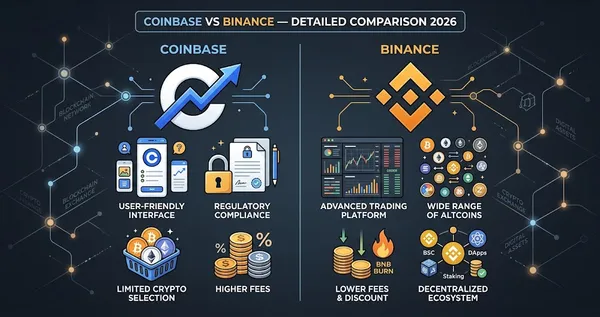
For beginners, a centralized exchange like Binance or Coinbase is simplest. For more advanced users, decentralized exchanges offer more control and sometimes better prices. Check CoinGecko's market page for bridging crypto tokens across different blockchain networks to see which exchanges have the best liquidity.
Related Articles
- How to Stake dYdX (DYDX) — Beginner's Guide 2026
- How to Set Up a Loopring Wallet — Beginner's Guide 2026
- How to Buy Cap (CAP) — Beginner's Guide 2026
Related Articles
- How to Stake dYdX (DYDX) — Beginner's Guide 2026
- How to Set Up a Loopring Wallet — Beginner's Guide 2026
- How to Buy Cap (CAP) — Beginner's Guide 2026